Sunday, February 16, 2025

Exploring the Anti-Aging Power of NAD Injections in Dallas

Aging is a natural part of life, but what if you had the chance to slow down its visible effects? In Dallas, the trend of NAD injections is gaining momentum as more people discover their potential in promoting a youthful appearance. Let’s explore how NAD injections work and why they might be a fascinating option for those in Dallas seeking the fountain of youth and a Path to Fabulous.

Monochrome close-up of an IV drip inserted in a patient’s arm, symbolizing medical care.

Understanding NAD: The Science Behind the Buzz

NAD, or Nicotinamide Adenine Dinucleotide, is more than just a buzzword in the health community—it’s a powerhouse within our cells. This coenzyme can be likened to a tiny workhorse, tirelessly driving fundamental reactions in the body, particularly those that involve energy metabolism. Located in every cell, NAD is vital in converting nutrients into energy, supporting DNA repair, and regulating cellular functions. However, its levels naturally decline as we age, leaving our bodies less equipped to manage the metabolic processes that keep us vibrant and youthful. Research has shown that maintaining NAD levels can help preserve the body’s youthful vigor by aiding in many cellular processes. For instance, NAD is essential in redox reactions, a crucial part of generating the energy that keeps our cells functioning. Remarkably, NAD not only fuels our cells but also serves as a substrate for critical cellular processes that impact aging.

Scientists and healthcare professionals are increasingly focused on the potential of NAD to reverse some aspects of aging. By replenishing NAD levels, it may be possible to mitigate some of the degenerative processes associated with aging. As a result, many individuals are turning to NAD injections as a therapeutic strategy to boost cellular energy and health. These injections are gaining popularity in places like Dallas, where a culture of wellness and innovation fosters interest in cutting-edge anti-aging treatments. The fascinating part is that NAD is involved in crucial pathways, such as the repair of DNA and sirtuin activation, which are key processes in the aging of cells. The idea is simple: by increasing NAD levels through supplementation or intravenous injection, you could theoretically enhance these pathways, potentially slowing down the overall aging process.

The Benefits of NAD Injections

NAD injections have been hailed for their remarkable ability to enhance the body’s natural processes, providing benefits that stretch beyond the superficial. At the core of its benefits is increased energy production. As NAD levels rise, so does the body’s ability to convert nutrients into ATP, the energy currency of the cell, helping to alleviate fatigue and energize individuals. Enhanced mental clarity is another benefit, as NAD promotes better brain function, potentially reducing cognitive decline and boosting focus. But that’s just the surface. NAD is known to be involved in metabolic processes, which helps in managing cellular health, improving skin elasticity, and even promoting better DNA repair mechanisms, slowing down the aging of cells.

Another intriguing benefit is how NAD injections support overall cellular health. By facilitating cellular repair, NAD helps keep cells functioning optimally, something that is especially crucial as we age. There is increasing interest in how this treatment might impact age-related diseases. As a component of numerous bodily processes, NAD also aids in reducing inflammation and oxidative stress, which are markers and contributors to aging and chronic diseases. The potential of reducing age-associated pathologies makes NAD injections not just an anti-aging agent but a potential therapeutic for a myriad of health issues, which might include enhancing skin quality, giving a more youthful appearance, and even promoting healthy aging.

Why Choose Dallas for NAD Therapy?

Dallas, with its blend of innovation and wellness, serves as an ideal destination for those looking to explore NAD therapy. The city prides itself on being at the forefront of medical advancements, offering individuals access to advanced health treatments with experienced practitioners. Professionals in Dallas are increasingly embracing NAD injections, providing expertise that ensures patients receive informed, personalized care. This is a city where healthcare is not only about treatment but also about enhancing overall well-being. Patients can find a plethora of opportunities to explore NAD injections in a supportive and cutting-edge medical community.

Moreover, Dallas’s rich array of wellness centers contributes to a comprehensive approach to health, integrating traditional healthcare with innovative treatments like NAD therapy. Whether you are a resident or just visiting, the city offers a unique opportunity to engage in transformative health experiences. Choosing Dallas means having the advantage of accessing top-tier facilities and a commitment to excellence in healthcare. Emphasizing personalized care, healthcare providers in Dallas ensure that each patient’s journey with NAD injection therapy is tailored to meet their unique needs and health profiles.

What to Expect During Your NAD Injection Session

Stepping into a NAD injection session for the first time can stir curiosity about what the process entails. Typically, the procedure is straightforward and involves administering NAD directly into the bloodstream through an IV drip or administration via an injection directly. The benefits of this method include rapid delivery and absorption into the body, allowing for quicker therapeutic effects. Each session takes an hour, although the number and frequency of the sessions can vary based on individual health goals and response to the treatment. Patients are encouraged to discuss the treatment schedule with their practitioners to align on the best approach tailored to their specific needs. The session is usually conducted in a comfortable setting where patients can relax, often as gentle music plays, facilitating a soothing environment conducive to healing.

Patients undergoing NAD therapy are monitored by professionals who ensure safety and efficacy throughout the session. Side effects are generally mild if present, although it’s crucial to communicate any discomfort to the practitioner. Post-treatment, many experience an immediate surge in energy and mental clarity, with continued improvements over time as the body optimizes NAD use. It’s essential to have an open dialogue with your healthcare provider about your health history to maximize the benefits while also ensuring safety. This approach ensures that patients not only receive the support they need during the procedure but also the comprehensive post-care that amplifies the therapy’s efficacy.

Considerations and Safety Concerns

While the benefits of NAD injections are compelling, it is vital to weigh them against potential risks. It’s understood that NAD injections generally pose minimal risk, but individual responses can vary. Common side effects might include nausea or a feeling of light-headedness during or after the session, but these are typically transient. It’s critical to undergo a thorough medical consultation before opting for NAD therapy to tailor the treatment to personal health needs and mitigate any risks. During this consultation, practitioners will assess your health status and medical history to determine the suitability of NAD injections for your condition.

Furthermore, as with any medical procedure, NAD therapy should only be pursued under the guidance of a qualified and experienced healthcare provider. This ensures that all aspects of patient safety are addressed. Patients are encouraged to ask questions and discuss any concerns with their practitioner, fostering a relationship built on trust and open communication. Being informed about the procedure significantly enhances both the safety and success of the treatment, making it a viable option for those seeking to harness the anti-aging benefits of NAD injections.

Embracing a Youthful Future with NAD

In conclusion, NAD injections in Dallas offer a promising option for those seeking a unique approach to anti-aging. With their powerful potential to rejuvenate the body at a cellular level, it’s no wonder more individuals are considering this innovative treatment. As with any medical procedure, it’s essential to consult with a healthcare provider to see if it’s the right fit for you. Embrace the journey towards a healthier, younger you with the fascinating science of NAD.

The post Exploring the Anti-Aging Power of NAD Injections in Dallas appeared first on Spa in the City.


source https://spainthecitydallas.com/nad-injections-dallas-benefits/

Friday, February 14, 2025

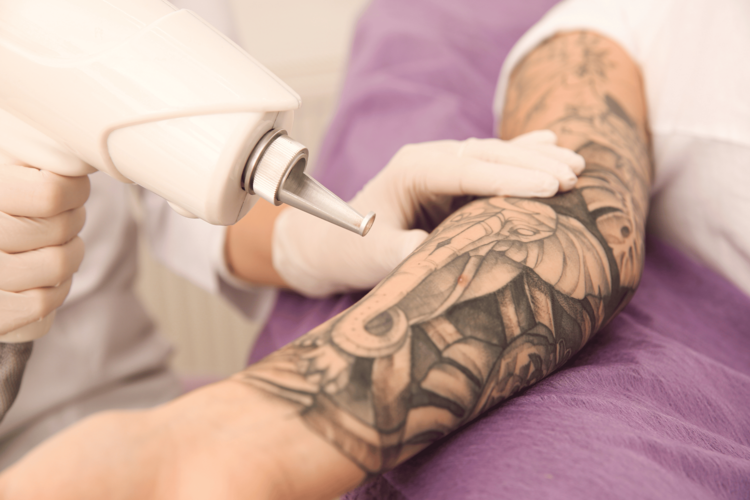
Does Tattoo Removal Hurt? Understanding Tattoo Removal Pain & How to Manage It

Tattoo removal is often associated with pain, leading many to wonder, does tattoo removal hurt more than getting a tattoo? The level of discomfort varies from person to person, depending on factors such as pain tolerance, tattoo location, and ink density. While some find the sensation mild and tolerable, others describe it as a sharp, stinging feeling. The good news is that tattoo removal sessions are generally quick, significantly reducing the time spent in discomfort compared to the original tattooing process.

The level of discomfort varies from person to person, depending on factors such as pain tolerance, tattoo location, and ink density.


Does Getting a Tattoo Removed Hurt?

The most common way people describe the pain of tattoo removal is like a rubber band snapping against the skin repeatedly. Some also compare it to the sting of tiny hot sparks or the discomfort of a mild sunburn. 

However, the level of pain experienced varies significantly. Factors such as the tattoo’s size, ink color, and location on the body play a role in the level of discomfort. For instance, bony areas with thin skin, like the ankles or ribs, tend to be more sensitive, whereas fleshier areas, like the thighs or upper arms, experience less pain. Additionally, personal pain tolerance and anxiety levels can impact the overall sensation.

Does Tattoo Removal Hurt More Than Getting a Tattoo?

Many people report that removing a tattoo hurts less than getting one. This is because tattoo application involves continuous needling into the skin for extended periods, whereas laser removal is much quicker, with sessions lasting only a few minutes. 

Additionally, while tattooing involves an abrasive dragging sensation, laser removal feels more like short bursts of heat or tiny pinpricks. Another advantage is that tattoo removal technology has advanced, with modern lasers reducing discomfort and requiring fewer sessions. While pain levels are subjective, most individuals find that tattoo removal discomfort is tolerable, especially with the use of numbing creams, cooling techniques, and aftercare strategies.

Factors That Affect Tattoo Removal Pain

Several factors influence how much tattoo removal hurts, including where the tattoo is located, the size and color of the ink, and individual pain tolerance. While laser tattoo removal is generally considered tolerable, understanding these factors can help set expectations and prepare for a more comfortable experience.

Tattoo Location – Does Removing Tattoos Hurt More in Certain Areas? 

The location of a tattoo plays a significant role in the level of pain experienced during removal. Some areas of the body have more nerve endings and less fat, making them more sensitive to laser treatment. Bony areas with thin skin, such as the ribs, ankles, fingers, and wrists, tend to be the most painful locations for tattoo removal. These areas provide less cushioning between the skin and the bone, allowing the laser’s heat and pulses to be felt more intensely.

On the other hand, fleshier areas like the thighs, upper arms, buttocks, and calves generally experience less discomfort. The presence of muscle and fat in these regions helps absorb some of the laser energy, reducing the sharpness of the sensation. If you’re considering tattoo removal and are sensitive to pain, you may want to prepare accordingly, especially if your tattoo is in a high-pain area.

The size and color of a tattoo also affect the pain levels during removal. Larger tattoos require longer laser sessions, leading to more prolonged discomfort, while smaller tattoos can often be treated in just a few minutes.


Tattoo Size & Color – Does Tattoo Removal Pain Depend on Ink?

The size and color of a tattoo also affect the pain levels during removal. Larger tattoos require longer laser sessions, leading to more prolonged discomfort, while smaller tattoos can often be treated in just a few minutes. The more ink present, the more laser energy is needed, which can increase the intensity of the sensation.

Color also plays a crucial role. Dark colors like black and dark blue absorb laser energy more effectively and break down more easily, making them less painful to remove. On the other hand, lighter colors such as yellow, green, and fluorescent inks are more resistant to laser treatment, often requiring more sessions and stronger laser intensities. 

This can prolong the removal process and lead to greater discomfort. Advanced laser technology has improved the removal of stubborn colors, but patients should still expect a longer and potentially more painful journey when removing lighter-colored tattoos.

The Role of Pain Tolerance in Tattoo Removal Discomfort

Pain perception is highly subjective, meaning that two people undergoing the same tattoo removal procedure may experience it differently. Individuals with a high pain tolerance may only feel mild discomfort, while those more sensitive to pain may find the process more intense. Additionally, anxiety and stress can amplify pain perception, making the experience seem worse than it actually is.

Techniques such as deep breathing, meditation, and distraction (listening to music or watching something on a screen) can help lower anxiety and reduce the sensation of pain. Those particularly concerned about discomfort may also benefit from topical numbing creams and cooling techniques offered by their provider.

Preparing for tattoo removal can significantly reduce pain and discomfort during the procedure.

How to Reduce Tattoo Removal Pain

While tattoo removal hurt levels vary from person to person, there are effective ways to minimize discomfort before, during, and after the procedure. Proper preparation, pain management techniques, and aftercare can help make the experience more bearable and promote a smooth recovery.

Pre-Treatment Tips to Minimize Tattoo Removal Hurt

Preparing for tattoo removal can significantly reduce pain and discomfort during the procedure. One of the most important steps is to stay well-hydrated in the days leading up to the session. Dehydrated skin is more sensitive and prone to irritation, making the treatment more uncomfortable. Additionally, avoiding alcohol and caffeine 24–48 hours before the procedure is recommended, as both substances can make the skin more sensitive and increase discomfort.

For those particularly concerned about tattoo removal pain, numbing creams can be applied to the area before the session. However, it’s crucial to use only professional-grade numbing creams recommended by a specialist, as over-the-counter products may not be effective or safe.

Pain Management During Tattoo Removal

During the session, cooling techniques can significantly reduce discomfort. Many laser clinics use cold air devices or ice packs to numb the skin before and during treatment, helping to dull the tattoo removal sensations. Some clinics also offer cryotherapy or chilled laser tips, which minimize heat exposure and make the process more tolerable.

Another way to reduce pain is to opt for shorter sessions when possible. Although larger tattoos require multiple treatments, breaking sessions into smaller, manageable durations can prevent prolonged discomfort. Additionally, practicing deep breathing or listening to music can serve as a distraction, helping to keep stress and pain levels low.

Post-Treatment Care to Ease Tattoo Removal Sensations

After the procedure, it’s normal to experience redness, swelling, and a mild burning sensation, similar to a sunburn. Applying ice packs immediately after treatment can help reduce inflammation and numb lingering pain. Additionally, using an antibacterial ointment keeps the skin hydrated and promotes healing, reducing irritation and discomfort.

For pain relief, taking Tylenol (acetaminophen) is recommended. However, avoid ibuprofen and aspirin, as these medications can thin the blood and increase the risk of excessive bruising and prolonged healing. Following proper aftercare, such as avoiding sun exposure and keeping the area clean, can further minimize discomfort and speed up recovery.

Conclusion

Tattoo removal may cause some discomfort, but most people find it manageable. Factors like tattoo location, ink color, and personal pain tolerance influence the experience. Using pain management techniques like numbing creams, cooling devices, and proper aftercare can make the process smoother. If you’re considering laser tattoo removal, consult a professional to understand the best options for your skin type and pain tolerance.

Frequently Asked Questions

Does removing a tattoo hurt more on bony areas?

Yes, areas with less fat and more nerve endings tend to be more painful.

How long does tattoo removal pain last?

Most discomfort fades within a few hours, similar to a sunburn.

Does numbing cream help reduce tattoo removal pain?

Yes, numbing creams can reduce discomfort, but consult your provider.

Is tattoo removal worth the pain?

Many find it manageable, and modern techniques make it easier than before.

Does tattoo removal hurt less with multiple sessions?

Yes, as the ink fades, sessions become less intense.

The post Does Tattoo Removal Hurt? Understanding Tattoo Removal Pain & How to Manage It appeared first on Spa in the City.


source https://spainthecitydallas.com/does-tattoo-removal-hurt-understanding-tattoo-removal-pain-how-to-manage-it/

Thursday, January 23, 2025

Benefits of Regular Chemical Peels for Glowing Skin in Dallas

A radiant and healthy complexion is something many of us aspire to achieve. Among the plethora of skincare treatments, chemical peels stand out for their notable effectiveness in rejuvenating the skin. For those living in Dallas, keeping your skin glowing year-round can be an essential part of your beauty routine. In this blog post, we’ll explore the various benefits of regular chemical peels and why they might be the perfect fit for your skincare regimen.
Close-up of a young woman applying skincare serum with a pipette against a pink background.

Understanding Chemical Peels

Chemical peels involve the application of a chemical solution to the skin, which helps exfoliate and eventually peel off the top layers. This process reveals new, regenerated skin that is often smoother and less wrinkled. While it might sound intense, peels are available in varying strengths to accommodate different skin types and concerns. This treatment works by dissolving the dead cells on the surface of the skin, which helps reveal healthier layers beneath. Additionally, peels can be customized with different acids like glycolic, lactic, and salicylic acid to target specific skin issues such as acne, dullness, and hyperpigmentation.

The origins of chemical peeling date back to ancient times, where it was used to achieve smoother skin. Modern chemical peels have evolved into sophisticated treatments that offer various benefits, such as minimizing the appearance of pores and creating a more uniform skin texture. At Spa in the City in Dallas, the expertise in chemical peeling ensures that clients receive the most suitable type of peel for their skin, whether it’s a light, superficial treatment or a deeper, more intensive peel for more dramatic results.

While each chemical peel offers its own unique benefits, they all share the common goal of enhancing the skin’s overall health and appearance. The choice between a light, medium, or deep peel will depend on one’s specific skin goals and concerns. Generally, a light peel offers gentle exfoliation, often referred to as a ‘lunchtime peel’ for its minimal downtime, while medium and deep peels target more substantial concerns, such as deeper wrinkles and severe sun damage.

Skin Benefits of Regular Chemical Peels

Regular chemical peels can profoundly benefit your skin’s health and appearance. These treatments promote cell turnover, leading to fresher, revitalized skin. Not only do peels help diminish the appearance of fine lines and wrinkles, but they also significantly improve skin texture. The exfoliating effect unclogs pores, which can reduce acne formation and fade acne scars over time. For many, the biggest appeal of chemical peels is their ability to target specific skin concerns, such as uneven pigmentation caused by sun exposure, known as solar lentigines, or age spots.

Studies show that chemical peels can boost collagen production, providing long-term benefits by helping maintain skin elasticity and firmness, critical to a youthful complexion White Rock Dermatology. Moreover, for those suffering from acne scars, regular peels can be a game-changer by smoothing the surface and improving the overall skin tone. Chemical peels are also known to combat common issues like rough skin patches and dullness, giving the skin a brighter and more evenly toned appearance.

Another remarkable benefit of regular chemical peels is that they can help remove the top layers of damaged skin, encouraging the growth of new, healthy skin cells. This exfoliation process can reveal clearer skin and reduce the visible impact of wrinkles and age-related skin modifications. A deeper chemical peel might even stimulate the production of new collagen, which is essential for maintaining skin’s elasticity and youthful appearance.

Why Choose Dallas for Your Chemical Peels

Dallas is home to an abundance of top-tier dermatologists and cosmetic professionals skilled in performing chemical peels. Their expertise means they can tailor treatments to suit your unique needs, whether you’re combating acne scars, wrinkles, or simply aiming to achieve a radiant glow. The city’s advanced skincare facilities, such as Spa in the City, employ the latest technology and techniques to ensure optimal outcomes from your peel treatments, giving your skin the attention it deserves.

Dallas’s vibrant beauty community is renowned for its cutting-edge approaches to skincare. The city offers a plethora of options for those seeking chemical peels, from non-invasive superficial treatments perfect for maintaining regular skin health to intensive peels designed to tackle more entrenched skin issues. With access to a wide selection of treatments, residents and visitors alike can work with specialists to achieve personalized skincare solutions.

The focus at Spa in the City is not just on appearance but also on the health of your skin. Their procedures are complemented by a commitment to using high-quality, professional-grade products and techniques, ensuring that your chemical peel experience in Dallas is not only effective but also safe and refreshing for your skin’s vitality.

Finding the Right Peel for Your Skin Type

Selecting the right chemical peel is key to achieving optimal results. It’s essential to consider your skin type, concerns, and goals. For sensitive skin, a milder peel can provide the necessary exfoliation without causing irritation. Conversely, if you’re dealing with stubborn skin issues like pronounced sun damage or deep acne scars, a medium to deep peel might be more effective. Professionals in Dallas are skilled at evaluating your skin and recommending the best peel, ensuring you receive a treatment tailored to your individual needs.

The variety of peels available can seem overwhelming, but consulting a skincare expert simplifies the process. They will assess your skin condition and propose treatments ranging from mild glycolic acid peels to more intensive options like TCA peels, which are known for their deeper penetration and ability to rejuvenate the skin more thoroughly Aesthetics Glow.

Certain peels are fantastic for targeting specific skin issues, such as acne or pigmentation. For example, lactic acid peels are often recommended for their hydrating properties and ability to brighten the skin, while salicylic acid peels may be more appropriate for acne-prone skin due to their ability to penetrate oily surfaces. By tailoring your peel type to your individual needs, you can see significant improvements in skin clarity and tone.

Aftercare Tips for Optimal Results

To achieve and maintain the best results from a chemical peel, proper aftercare is crucial. Immediately following your peel, your skin will be more sensitive to environmental factors such as sunlight. Protecting your skin with a broad-spectrum sunscreen with at least SPF 30 is paramount, as it helps prevent further damage and supports the healing process. Additionally, moisturizing regularly will aid in maintaining skin hydration and facilitate recovery.

During the days following your peel, it’s important to avoid picking at your skin to prevent irritation and potential scarring. Gentle cleansing with a mild, non-abrasive cleanser will keep your skin clean without causing damage. Furthermore, incorporating a zinc-oxide based sunscreen, as recommended by White Rock Dermatology, can offer additional protection. Light peels might require only brief aftercare, whereas deeper peels necessitate a more comprehensive routine.

Once your skin has healed, it’s beneficial to establish a regular skincare routine that complements the results of your peel. This might include incorporating serums rich in hydrating ingredients like hyaluronic acid, as well as antioxidants such as vitamin C to boost skin health and radiance. Regular follow-up treatments can also help sustain the positive changes achieved through peels, ensuring your skin remains glowing and rejuvenated.

Unlock Radiance with Regular Chemical Peels

Whether you’re looking to diminish signs of aging, improve skin texture, or simply achieve a healthy glow, chemical peels offer an array of benefits that can transform your skin. With the expertise available in Dallas, incorporating regular chemical peels into your skincare routine could be the key to unlocking radiant, youthful skin. Consult with a skincare professional to tailor a treatment plan that suits your needs and enjoy the journey to a glowing complexion.

The post Benefits of Regular Chemical Peels for Glowing Skin in Dallas appeared first on Spa in the City.


source https://spainthecitydallas.com/benefits-of-chemical-peel/

Tuesday, January 14, 2025

What is a Chemical Peel? Everything You Need to Know About This Transformative Skincare Treatment

Chemical peels enhance skin texture and tone, leaving it visibly brighter and more even.

What is a Chemical Peel?

A chemical peel is a cosmetic skincare treatment designed to exfoliate and rejuvenate the skin. During the procedure, a chemical solution is applied to the skin to remove its outer layers. This process reveals fresh, healthier skin underneath, making it an effective option for addressing wrinkles, acne scars, uneven skin tone, and other imperfections.

Benefits of Chemical Peels

Chemical peels offer a range of benefits for the skin. By removing dead skin cells and promoting cell turnover, they help to smooth out fine lines and wrinkles, creating a more youthful appearance. They are particularly effective for treating acne and diminishing the appearance of acne scars, as the peeling process unclogs pores and reduces inflammation. 

Furthermore, chemical peels enhance skin texture and tone, leaving it visibly brighter and more even. By stimulating collagen production, they improve skin firmness and elasticity, contributing to a healthier and more radiant complexion. These benefits make chemical peels a popular choice for skin rejuvenation.

Types of Chemical Peels

Chemical peels come in three main types, each offering unique benefits depending on the skin’s needs and the desired outcome.

Superficial Peels (Light Peels)

Superficial peels, often referred to as light peels, use gentle acids such as alpha-hydroxy acids (AHAs) to target the outermost layer of the skin. These mild treatments are an excellent choice for individuals looking to address concerns like slight discoloration, dullness, and uneven texture. 

With minimal penetration into the skin, superficial peels rejuvenate the surface while causing little to no downtime, making them suitable for those with busy schedules. The procedure leaves the skin feeling refreshed, smoother, and more radiant, making it a great introductory option for chemical peel treatments or for individuals seeking a quick pick-me-up for their skin.

Medium Peels

Medium peels are more intensive compared to superficial peels, as they penetrate both the outer and middle layers of the skin. Using agents like glycolic acid or trichloroacetic acid (TCA), these treatments effectively target more prominent skin issues such as acne scars, age spots, and fine-to-moderate wrinkles. 

The deeper action removes damaged cells, promoting the growth of healthier, rejuvenated skin. While medium peels require some recovery time, typically involving redness and peeling for a few days, the results are significantly more pronounced. This type of peel is ideal for individuals seeking to address more stubborn skin concerns and achieve noticeable improvements.

Deep Peels

Deep peels are the most intensive type of chemical peel, utilizing powerful acids such as phenol to achieve dramatic skin rejuvenation. These treatments are highly effective for tackling severe skin issues, including deep acne scars, extensive sun damage, and moderate to advanced wrinkles. 

By deeply penetrating the skin, deep peels promote a complete resurfacing of the skin’s texture and tone. However, their intensity comes with a longer recovery period, which may last several weeks. Despite the extended downtime, the transformative results often make deep peels a preferred choice for individuals seeking significant improvements in skin appearance and long-term rejuvenation.

How to Prepare for a Chemical Peel

Preparation is crucial to maximize the benefits of a chemical peel and ensure the procedure is both safe and effective.

Pre-Treatment Tips

Proper preparation is essential to ensure the best results from a chemical peel. One of the most important steps is avoiding sun exposure for at least 10 days before the treatment. Sun-damaged skin can be more sensitive, increasing the risk of irritation. Additionally, it’s crucial to refrain from using exfoliants, such as scrubs or chemical exfoliating products, as these can make the skin more vulnerable during the procedure.

Keeping your skin hydrated is another key aspect of preparation; ensure you’re drinking plenty of water and using a gentle moisturizer. Discontinue the use of retinoids or acne medications well in advance, as they can interfere with the peeling process. To achieve optimal results, it’s recommended to schedule your chemical peel at least a month before any major events, allowing enough time for your skin to heal and reveal its renewed glow.

Consultation and Skin Assessment

Before undergoing a chemical peel, a consultation with a qualified provider is vital. During this meeting, your skin type, concerns, and goals will be carefully evaluated. This step ensures that the chosen treatment is tailored to your unique needs and that it aligns with your desired outcomes. Your provider will assess factors such as your skin’s sensitivity, tone, and texture to determine the most suitable type of peel and its intensity. 

Additionally, this consultation is an opportunity to ask questions and address any concerns you may have about the procedure. A thorough assessment lays the foundation for safe and effective treatment.

The Chemical Peel Procedure

Understanding the process of a chemical peel can help set realistic expectations and ease any pre-treatment anxiety.

What Happens During Treatment?

The chemical peel procedure begins with a thorough cleansing of the skin to remove any makeup, oils, or impurities. Once the skin is prepared, a carefully selected chemical solution is applied evenly across the treatment area. The solution remains on the skin for a specific amount of time, allowing it to exfoliate and penetrate to the desired depth. 

During this process, it is normal to feel sensations such as tingling, warmth, or mild stinging, which indicate that the peel is actively working. After the solution has completed its action, it is either neutralized or removed, depending on the type of peel used.

Post-Treatment Care

Applying sunscreen daily is essential, as the newly revealed skin is particularly sensitive to UV damage


Caring for your skin after a chemical peel is critical to ensure effective results and minimize irritation. Applying sunscreen daily is essential, as the newly revealed skin is particularly sensitive to UV damage. Additionally, a neutral, hydrating moisturizer should be used to maintain skin hydration and support the healing process. Avoid touching or picking at your skin, as this can introduce bacteria and potentially cause scarring. Following your provider’s post-treatment recommendations will help optimize the benefits of your chemical peel.

Conclusion

Chemical peels are an effective and transformative skincare solution, offering a range of benefits for various skin concerns. Whether you’re looking to reduce wrinkles, address acne scars, improve uneven skin tone, or achieve a brighter complexion, chemical peels can provide noticeable results. With options ranging from light to deep peels, the treatment can be tailored to suit different skin types and needs. 

However, to ensure the best outcome, it’s essential to consult with a qualified professional who can evaluate your skin and recommend the most appropriate peel for your goals. When performed correctly, chemical peels not only enhance your appearance but also boost your confidence, leaving you with smoother, healthier, and more youthful skin.

FAQ

How often can I get a chemical peel?

Light peels can be done every two weeks, while medium and deep peels require longer intervals.

Are chemical peels safe for sensitive skin?

Yes, specific peels like glycolic acid are designed for sensitive skin.

Can chemical peels treat acne?

Yes, they unclog pores, reduce acne scars, and improve overall texture.

The post What is a Chemical Peel? Everything You Need to Know About This Transformative Skincare Treatment appeared first on Spa in the City.


source https://spainthecitydallas.com/what-is-a-chemical-peel-everything-you-need-to-know-about-this-transformative-skincare-treatment/

Friday, January 10, 2025

15 Things to Know About Genius RF Microneedling Before Your First Session

Genius RF Microneedling is one of the latest innovations in skincare treatments, blending the benefits of microneedling with radiofrequency technology to rejuvenate and tighten the skin. Before you dive into your first session, it’s essential to understand what the procedure involves and how it can benefit you. This guide will walk you through everything you need to know to feel prepared and excited for your treatment.
Woman receives rf microneedling treatment at Spa in the City in Dallas Texas

1. Understanding the Basics of Genius RF Microneedling

Before booking your session, it’s important to understand what Genius RF Microneedling is and how it works. It’s a synergy of microneedling and radiofrequency technology designed to stimulate collagen production and improve skin elasticity. By using ultrafine needles to create tiny micro-injuries in the skin’s surface, this method encourages the skin’s natural repair processes, leading to a firmer, more youthful complexion. The added radiofrequency component enhances the effects by delivering heat energy deep into the dermis, which further stimulates collagen and elastin production, providing a comprehensive rejuvenation of the treated area.

Not only does the treatment enhance the appearance of the skin, but it also targets specific issues such as acne scars and sagging skin. As the skin heals from these micro-injuries, it becomes smoother and tighter, with improved texture and tone. This dual-action approach sets it apart from many other treatments available today, offering longer-lasting results and noticeable improvements after just a few sessions. With minimal downtime and versatility, many find it a more attractive option than surgical procedures. Understanding these basics can help you set realistic expectations and fully benefit from the treatment.

2. How It Differs from Traditional Microneedling

Unlike traditional microneedling, which only uses needles, Genius RF Microneedling incorporates radiofrequency energy that penetrates deeper into the skin, offering enhanced results for skin tightening and wrinkle reduction. Traditional microneedling is effective at boosting collagen production, but by adding RF energy, the treatment can deeper target the dermis layer, addressing issues more effectively such as deep wrinkles and prominent scars. This integration allows it to tackle more challenging skin concerns that standard microneedling might not fully address.

Moreover, the radiofrequency aspect contributes to a more uniform heating of the dermal layers, which not only aids in collagen production but also stimulates elastin fibers, providing an overall firming effect and offering added benefits for skin laxity. This technology can be particularly beneficial for those with mature skin seeking a non-invasive alternative to surgical facelifts. While traditional microneedling is still beneficial for many people, Genius RF Microneedling is suited for those looking for a more powerful solution to more persistent signs of aging and skin irregularities.

3. What Areas Can Be Treated

Genius RF Microneedling is versatile and can be used on various parts of the body, including the face, neck, and décolletage, making it effective for addressing aging signs or skin imperfections in these areas. Beyond the face, treatments can extend to neck and body areas often overlooked but equally susceptible to aging, such as the hands and arms. Since the therapy is gentle yet effective, it allows for treatment in sensitive regions around the eyes and mouth, often problematic areas with other procedures.

With such adaptability, it’s an excellent choice for overall skin improvement, not just isolated facial concerns. Many people have reported significant satisfaction with treatment results not only on their face but also in reducing fine lines on the neck and tightening loose skin on the abdomen. When considering Genius RF Microneedling, it’s advantageous to think beyond the typical facial areas and discuss with your provider how it can accommodate broader cosmetic goals for your entire body.

4. Expected Results and Benefits

Patients usually seek this treatment for its ability to improve skin texture, reduce fine lines, and promote firmness. It’s a naturally appealing option for those wanting a non-surgical lift. After one session, you may notice smoother skin texture, but the cumulative benefits become more apparent with multiple sessions. Improvements can include enhanced skin elasticity, a reduction in pore size, and a generally brighter complexion—all contributing to a more youthful look. These transformations are due to the procedure’s ability to boost the skin’s intrinsic repair mechanisms significantly.

The results can be quite enduring; many patients see continued improvements over the months following their sessions, as the stimulated collagen and elastin continue to rebuild. This lasting effect makes it not only an efficient immediate solution but also a worthwhile investment in your skin’s long-term health and appearance. Many clients appreciate the gradual, natural-looking enhancements that don’t appear overstated. Discussing your specific skin goals with a provider can help determine the ideal number of treatments you might need to reach your desired outcome.

5. Preparing for Your Genius RF Microneedling session

To ensure the best outcome, there are several steps you can take before your treatment day, such as avoiding direct sun exposure and ceasing the use of certain skincare products. In the days leading up to your session, your provider might recommend using gentle skincare products to keep your skin in optimal condition and hydrated. It’s also advisable to avoid retinoids and other harsh products that could irritate the skin.

Moreover, proper hydration is essential; ensuring you’re well-hydrated can enhance the skin’s response to the treatment, aiding in quicker recovery and better results. Scheduling a consultation beforehand is crucial, as it allows you to address any concerns, discuss your treatment goals, and have a clear understanding of the procedure. This preparation not only optimizes the effectiveness of your session but also helps alleviate any anxieties you might have by making sure you’re thoroughly informed and ready.

6. The Procedure Experience

The session itself typically lasts about an hour, involving minimal discomfort as the device moves over the skin. A topical numbing cream is often applied beforehand to ease any sensations. Patients often describe the feeling during the procedure as slight pressure with a warming sensation as the radiofrequency energy works beneath the skin’s surface. The innovative delivery of energy through the fine needles ensures a balance of effectiveness and comfort, suitable even for sensitive skin types.

Following the application of the numbing cream, the professional carefully moves the Genius RF Microneedling device across the targeted areas, allowing the ultra-fine needles to create tiny channels that facilitate the absorption of the RF energy into the skin. This approach not only targets the external signs of aging but also engages deeper layers of skin for a holistic rejuvenation experience. Understanding what your session entails helps set clear expectations and assures you are in control of your beauty regimen.

7. Post-Treatment Care

Aftercare is crucial for optimal results. Patients are advised to use gentle skincare products and avoid sun exposure to allow the skin to heal and regenerate effectively. During the initial recovery phase, which typically lasts a few days, maintaining a nourishing skincare routine is key. Applying calming, anti-inflammatory products can soothe any residual redness, ensuring the skin barrier remains intact.

Your provider will likely recommend using a high-SPF sunscreen for protection since your skin will be particularly sensitive post-treatment. Avoiding makeup directly after treatment can also allow the skin to breathe and repair without interference. Consistently following these guidelines will help maximize the benefits of the treatment, leading to quicker recovery and enhanced results. Listening to and consulting with your skin specialist will provide the best guidance tailored to your specific recovery needs.

8. Potential Side Effects to Consider

While Genius RF Microneedling is generally safe, some individuals might experience temporary redness, swelling, or sensitivity post-treatment. It’s important to know what to expect and how to handle these side effects. It’s normal for the treated areas to appear flushed immediately after the session, a sign that the skin’s natural repair processes are in motion.

These side effects often subside within a few hours or days, leaving you with healthier-looking skin. Nonetheless, following post-care instructions diligently will mitigate discomfort and support optimal healing. Those prone to sensitive skin might notice a bit more downtime, yet still fall within the range of typical recovery timelines. Having a clear understanding of these potential effects can help balance expectations and experiences, making them more pleasant overall. Communicating with your provider, especially if any symptoms seem unusual, ensures you remain under supportive care.

9. How to Choose a Qualified Provider

Finding a skilled and experienced provider is essential for a successful treatment. Seek out professionals with proper certification and positive client reviews. An adept practitioner not only brings technical expertise but also provides a calming environment that can ease your nerves and enhances the overall experience. Thoroughly researching your options, reading testimonials from previous clients, and possibly consulting with multiple specialists are all key steps in finding the right match.

Additionally, don’t hesitate to ask about the provider’s specific experience with Genius RF Microneedling, as proficiency with this specific technology can significantly impact your aesthetic outcome. A reliable provider will be transparent about the procedure, adept in customizing the treatment to fit your unique skin needs and goals. Taking time to make an informed decision ensures peace of mind and increases the likelihood of a satisfying result. Clients who have performed due diligence often experience less anxiety and greater satisfaction with their choice.

10. Understanding the Costs of Genius RF Microneedling

The cost of the treatment can vary based on the provider’s expertise and clinic location. It’s wise to research and compare prices while assessing quality. Generally, prices reflect the number of sessions necessary to achieve the desired results and cater to individual budget considerations. Discussion with your chosen provider about financial options can lead to more manageable planning for the investment in your skincare.

Many clinics offer package deals or financing plans, such as those available at Spa in the City, which provide suitable options for clients with varying budget concerns. The choice of clinic should balance competitive pricing with a proven track of successful treatments, ensuring your money is spent wisely and your skin receives top-tier care. Knowing what affects the cost can help you prepare accordingly, ensuring the journey towards enhanced skin health aligns with your financial plans.

11. Long-Term Care for Sustained Results

Investing in a good skincare routine post-treatment helps maintain the benefits of Genius RF Microneedling. Regular follow-ups can also ensure lasting results. Introducing consistent use of collagen-boosting serums and maintaining hydration aids in prolonging the firming effects from your sessions. Many find that incorporating retinoids, upon professional recommendation, can also complement the benefits achieved with RF microneedling by further enhancing cell turnover.

Routine visits to your skincare professional for maintenance sessions, possibly once or twice a year, keep the youthful and refreshed appearance intact. Similarly, adjusting routines according to changes in skin type or environmental factors ensures adaptability in care strategies. By staying proactive in your approach, you can continue enjoying these treatments’ transformative effects, confirming that body and facial rejuvenation is maintained efficiently over time. Remember, long-term skin health is a continual process, not a one-time event.

12. Common Misconceptions Debunked

There are many myths surrounding this treatment that can be misleading. It’s important to separate fact from fiction to make informed decisions about your skincare. One common misconception is equating the procedure with painful surgical interventions, which is far from the truth considering its minimally invasive nature. Additionally, some assume that it’s only suitable for aging skin, whereas it’s actually effective for a wide range of skin issues and age groups.

Another myth suggests immediate drastic changes or ‘miracle’ results without consistent follow-up sessions; however, the true beauty of RF microneedling lies in its ability to offer gradual, natural enhancements over time. Educating yourself about the realities of the procedure by consulting with experienced professionals, such as those at Spa in the City Dallas, ensures you set appropriate expectations and maximize your sessions’ outcome.

13. The Importance of Skin Type Consideration

Every skin type responds differently to treatments like Genius RF Microneedling. Consulting with your provider about your skin’s specific needs ensures optimal results. Sensitive skin may require more caution with post-treatment products, whereas other types might need specific moisturization strategies. A tailored approach acknowledges your unique needs, making it crucial to provide detailed background about any past skin reactions to treatments.

Customizing the treatment plan aligns interventions more closely with your inherent characteristics, bolstering the process’s success and minimizing adverse reactions. The versatility of RF microneedling offers adaptability that can cater to numerous individual concerns, making pre-treatment discussions with a skilled practitioner invaluable. This personalization guarantees that whether your concerns involve pigmentation, texture, or basic rejuvenation, your Genius RF Microneedling sessions offer the best potential results.

14. A Look at Alternative Treatments to rf microneedling

While Genius RF Microneedling offers impressive benefits, it’s worth comparing with other treatments like fractional lasers to decide what’s best for your skincare goals. Laser treatments, for instance, may be more suitable for deeper pigmentation issues or certain types of scars. Each of these alternatives possesses distinct characteristics and ideal indications that could align with different skincare expectations.

Consulting with your skincare specialist can aid in exploring the spectrum of options, ensuring you choose the treatment that best addresses your unique skin conditions and aspired outcomes. Understanding these options helps in creating a comprehensive treatment plan that may incorporate various modalities together, enhancing the skin’s revitalization capacity. By considering a holistic overview, you open up opportunities for tailored solutions for skin improvement.

15. Tracking Progress and Staying Informed

Keeping track of your skin’s progress and staying informed about new developments in microneedling technologies can help you continue to make the best choices for your skin health. Regularly photographing your skin before and after treatments helps objectively assess improvements, bolstering treatment satisfaction and letting you identify any new concerns promptly. Such documentation proves beneficial when discussing further care plans with your provider.

Additionally, following updates in skincare advancements through reliable channels, like consulting with expert blogs or institutions, can provide valuable insights into enhancing or updating your treatment strategies. Clinics often introduce newer or more refined versions of microneedling technologies, potentially offering better results or reduced downtime. By staying proactive in education, you maintain an enlightened perspective towards skin care, empowering yourself to continually make informed decisions that align with evolving personal goals and technological improvements.

The post 15 Things to Know About Genius RF Microneedling Before Your First Session appeared first on Spa in the City.


source https://spainthecitydallas.com/genius-rf-microneedling-tips/

Friday, December 20, 2024

What Are the Benefits of Non-Surgical Lifting?

Exploring non-surgical lifting can be a game-changer for those seeking a more youthful appearance without going under the knife. In this blog, we’ll dive into the amazing benefits of these procedures, how they work, and why they’re becoming so popular.

What is Non-Surgical Lifting?

Non-surgical lifting is a revolutionary approach to facial rejuvenation that bypasses the need for invasive surgery. These procedures are designed to lift and tighten the skin without the extensive recovery time associated with traditional facelifts. While surgical options require incisions and anesthesia, non-surgical alternatives use innovative technologies to stimulate collagen and improve skin elasticity, offering a more natural enhancement.

The magic behind non-surgical lifting lies in its ability to leverage the body’s own healing processes. Techniques such as ultrasound, radiofrequency, and laser treatments penetrate deep into the skin layers, encouraging the production of collagen – the protein responsible for skin firmness and elasticity. This not only results in a youthful appearance but also ensures that the changes are gradual and subtle, maintaining a natural look.

Because it skips surgical risks and long recovery periods, non-surgical lifting appeals to those wanting a quick turnaround with noticeable results. This approach is perfect for anyone looking to combat the signs of aging without the interruption that surgery can often bring to daily life.

Key Benefits of Non-Surgical Lifting

Non-surgical lifting comes with a host of advantages that make it an attractive option for many. The foremost benefit is the minimal recovery time. Unlike conventional surgery, which might require weeks of downtime, most non-surgical procedures offer quick recovery, allowing you to return to daily activities almost immediately.

Another compelling benefit is the lower risk factor. Since these methods do not involve cuts or stitches, the risk of infection or scarring is significantly reduced. Patients enjoy peace of mind knowing the procedures are safer, yet effective.

Additionally, the natural-looking results ensure that enhancements are subtle. You won’t look like someone else; rather, a fresher version of yourself. This is key for those who wish to maintain their unique features while erasing years off their appearance.

Common Non-Surgical Lifting Techniques

When it comes to non-surgical lifting, there’s a plethora of techniques to choose from, each catering to specific needs and preferences. One popular method is ultrasound therapy, commonly known as Ultherapy. This technique uses ultrasonic waves to penetrate deep into the skin, stimulating collagen production and providing a lift to sagging areas.

Radiofrequency treatments, another favorite, use energy waves to heat the deep layers of skin. This heat prompts collagen restructuring, making it ideal for tightening loose or sagging skin without any downtime.

Thread lifts, which involve inserting temporary threads under the skin, act as a supportive structure to lift tissues. These threads encourage collagen production over time, offering a dual benefit of immediate lift and prolonged skin rejuvenation.

Each of these methods offers unique benefits and can often be combined for an even more comprehensive effect, allowing for highly personalized treatment plans.

Who Can Benefit from Non-Surgical Lifting?

Non-surgical lifting is suitable for a wide range of individuals. However, those who are looking to address mild to moderate signs of aging are the ideal candidates. This includes anyone experiencing wrinkles, fine lines, and skin laxity who wishes to avoid the rigors of surgery.

It’s also perfect for individuals who have already undergone traditional surgical procedures but seek to maintain or enhance their results. Additionally, those with busy lifestyles who can’t afford extended recovery times find these quick and effective treatments highly beneficial.

What to Expect During the Procedure

Before embarking on your non-surgical lifting journey, you’ll start with a comprehensive consultation. This allows the aesthetic professional to understand your goals and skin type, customizing a treatment plan just for you.

During the actual procedure, expect a comfortable experience. Most techniques involve minimal discomfort, and patient feedback often describes sensations like gentle warming or tingling. Sessions typically last less than an hour.

Post-procedure, you might notice slight redness or swelling, which generally subsides quickly. Many return to their daily activities immediately, equipped with guidance from the practitioner on how to ensure optimal recovery and results.

Aftercare and Maintenance

Maintaining your results after a non-surgical lifting procedure is straightforward. Your practitioner will likely advise on skincare routines encompassing hydrating products and sunscreen to protect your rejuvenated skin.

Regular follow-up sessions may be recommended to prolong the effects of the treatment. These help to reinforce the skin’s lift and prevent future signs of aging.

Healthy lifestyle choices, such as a balanced diet and adequate hydration, also play a crucial role in sustaining your results. By combining these habits with professional guidance, your skin can remain firm, vibrant, and youthful.

Discover the Benefits of Non-Surgical Lifting

Non-surgical lifting offers an incredible opportunity to enhance your appearance with minimal risk and downtime. Whether it’s smoothening wrinkles or enhancing facial contours, the benefits are multifaceted and appealing. Consulting with your qualified aesthetic professionals at Spa in the City can help you achieve the results you desire safely and effectively.

The post What Are the Benefits of Non-Surgical Lifting? appeared first on Spa in the City.


source https://spainthecitydallas.com/non-surgical-lifting-benefits/

Wednesday, December 18, 2024

Does Botox Hurt? A Guide to Comfort and Confidence

Understanding Botox and Its Purpose

What is Botox?

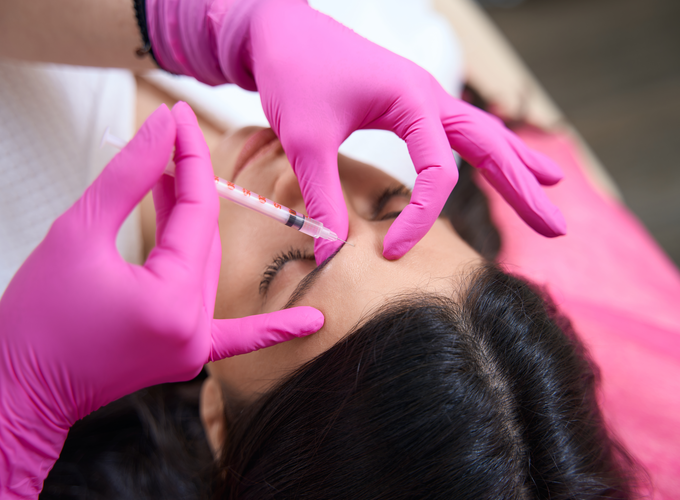
An effective solution for reducing visible wrinkles and preventing new ones from forming, making it a favorite for individuals seeking to maintain a youthful appearance


Botox is a widely recognized cosmetic treatment derived from botulinum toxin, a purified neurotoxin. While its origin might sound intimidating, Botox is scientifically engineered for safe use in small, controlled amounts. The treatment works by temporarily blocking nerve signals to specific muscles, causing them to relax. 

This muscle relaxation smooths out dynamic wrinkles, such as frown lines, forehead creases, and crow’s feet, which result from repeated facial expressions like smiling, frowning, or squinting. As these muscles rest, the skin above them becomes smoother and firmer, giving the face a more youthful and rejuvenated appearance.

Why Choose Botox?

Botox is celebrated for its versatility, offering benefits that go beyond cosmetic enhancements. It’s an effective solution for reducing visible wrinkles and preventing new ones from forming, making it a favorite for individuals seeking to maintain a youthful appearance. Additionally, Botox addresses various medical concerns, such as managing chronic migraines, excessive sweating (hyperhidrosis), muscle spasms, and even acne. 

These medical applications not only improve physical comfort but also enhance overall quality of life. By providing both cosmetic and therapeutic advantages, Botox offers a confidence-boosting solution for individuals looking to improve their appearance and skin health in one treatment.

Who Administers Botox?

To ensure safe and effective results, Botox should only be administered by trained and certified professionals. Licensed healthcare providers, such as dermatologists, plastic surgeons, or experienced aesthetic specialists, are equipped to deliver precise injections. Their expertise ensures the treatment is tailored to the patient’s unique facial anatomy, achieving a natural look without overcorrection. 

Skilled practitioners also minimize risks, such as improper dosage or placement, which could lead to side effects like drooping eyelids. Choosing a reputable clinic and an experienced practitioner is crucial for achieving optimal results while prioritizing safety and patient comfort throughout the Botox experience.


Does Botox Hurt? Addressing the Big Question

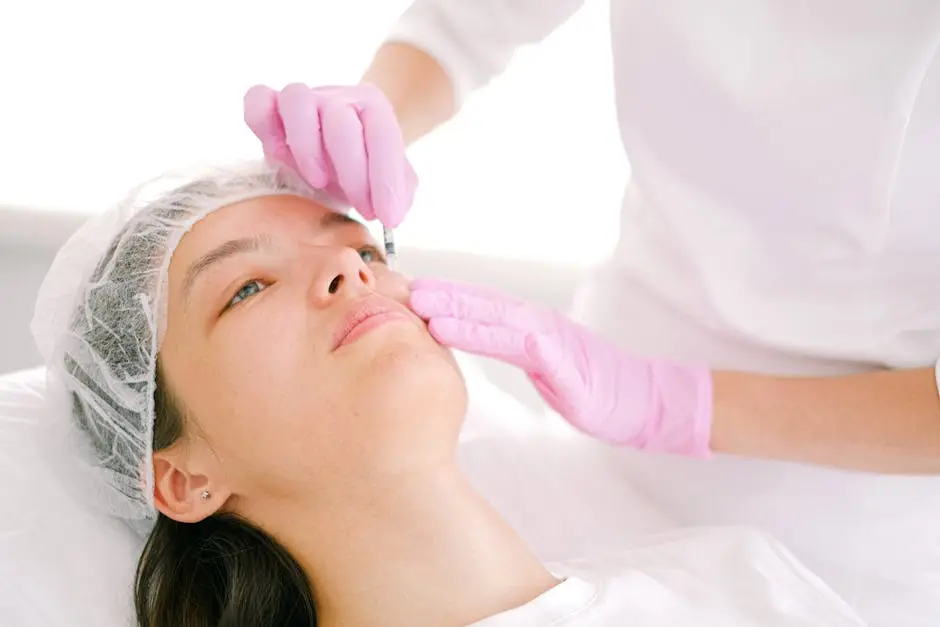
Licensed healthcare providers, such as dermatologists, plastic surgeons, or experienced aesthetic specialists, are equipped to deliver precise injections with minimal pain.

Pain Perception During Botox Injections

One of the most common concerns about Botox is whether it hurts. The good news is that most patients report minimal discomfort during the procedure. The sensation is often compared to a mosquito bite or a slight pinch, making it tolerable for most people, even those sensitive to needles. Botox injections use ultra-fine needles, significantly smaller than those used for flu shots, which further reduces pain. 

To enhance comfort, many clinics offer numbing agents such as topical anesthetic creams or ice packs before the injection. These measures ensure that even patients with a low pain threshold find the procedure manageable.

Post-Treatment Sensations

After a Botox session, it’s normal to experience mild and temporary sensations such as redness, swelling, or slight tightness at the injection sites. These effects usually subside within a few hours to a day. Some patients may also notice a small, temporary bump where the injection was administered, which quickly fades. 

To alleviate any residual discomfort, applying an ice pack or using a soothing cream as advised by your practitioner can be helpful. Following post-care instructions, such as avoiding strenuous activities for 24 hours, can ensure smooth recovery and optimal results.

Comparing Botox to Other Cosmetic Injections

Compared to other cosmetic injections like dermal fillers, Botox is often considered less painful. This is largely due to the smaller needle size and the quick duration of each injection. Fillers typically involve thicker substances and larger needles, leading to slightly more discomfort during the procedure. Botox remains a more comfortable option overall.


Side Effects and Safety Considerations

Common Side Effects

Botox is generally regarded as a safe and minimally invasive treatment, but like any procedure, it can have side effects. The most common effects include mild swelling, tenderness, and slight bruising at the injection sites. Some patients may also experience redness or a feeling of tightness in the treated area. 

These reactions are temporary and typically resolve within a few hours to a couple of days. Applying ice packs and following the practitioner’s aftercare instructions can help minimize these effects. Patients are encouraged to communicate any concerns with their healthcare provider to ensure a smooth recovery and peace of mind.

Rare Complications and Prevention

Although uncommon, there are rare complications associated with Botox, such as droopy eyelids or asymmetrical results. These issues can occur if the Botox spreads to unintended areas or is injected improperly. To mitigate such risks, it is crucial to choose a highly skilled and certified practitioner with extensive experience in administering Botox. 

Additionally, patients should disclose their complete medical history and any medications they are taking to help the practitioner tailor the treatment safely. By selecting a reputable clinic and following professional advice, patients can significantly reduce the likelihood of complications and achieve safe, effective results.


Maximizing Comfort During Botox Treatments

Preparing for Your Appointment

Proper preparation is key to ensuring a comfortable Botox experience. Before your appointment, discuss any concerns or questions with your healthcare provider. This includes sharing your medical history, allergies, and any medications you are taking. 

Avoid consuming alcohol, aspirin, or blood-thinning medications for at least 24-48 hours prior to the procedure, as these can increase the likelihood of bruising at the injection sites. It’s also helpful to stay hydrated and arrive at the clinic with clean skin, free from makeup or skincare products. Taking these steps ensures the procedure is tailored to your needs and minimizes potential discomfort or side effects.

During the Procedure

During the Botox treatment, practitioners take several measures to enhance your comfort. They may apply a topical numbing cream or use an ice pack to reduce sensations at the injection site. The use of ultra-fine needles, coupled with precise technique, ensures that each injection is quick and relatively painless. Most patients report feeling only a slight pinch.

Aftercare Tips for Best Results

After the procedure, following your practitioner’s aftercare instructions is crucial. Avoid strenuous activities, excessive sun exposure, and lying down for at least four hours to prevent Botox from spreading. Applying ice packs can help reduce swelling and redness. Gentle skincare practices will also ensure your skin heals smoothly and optimally showcases the results.

Conclusion

Botox has become one of the most popular cosmetic treatments for a reason—it offers an effective, minimally invasive way to enhance your appearance and boost confidence. For most patients, the process is quick and virtually pain-free, with only minor sensations like a small pinch or mild swelling that subside quickly. When administered by skilled and experienced practitioners, Botox provides natural-looking results, smoothing wrinkles and preventing new ones from forming, all while ensuring patient safety and comfort.

Preparation and aftercare are integral to a positive experience. By discussing your concerns and medical history with your healthcare provider, avoiding potential triggers like alcohol or blood thinners before treatment, and following post-procedure guidelines, you can ensure a smooth journey and optimal results.

Choosing a reputable clinic with certified professionals is essential for achieving your desired outcomes. A trusted clinic can offer personalized care, ensuring your Botox experience is safe, comfortable, and tailored to your unique needs.

FAQs

Does Botox hurt more than fillers?

Botox is generally considered less painful than dermal fillers. This is because Botox uses ultra-fine needles to inject a small amount of liquid directly into targeted muscles, causing only minimal discomfort. In contrast, fillers often involve larger needles or cannulas and inject a thicker substance, which can lead to a more noticeable sensation during the procedure. While everyone’s pain tolerance varies, most patients describe Botox as a quick, minor pinch compared to the deeper pressure sometimes felt with fillers.

How long does the pain from Botox last?

Any discomfort experienced during Botox injections is brief, typically lasting only a few seconds during the procedure itself. After the treatment, you might notice mild tenderness, redness, or a slight tightness in the treated areas, but these sensations usually resolve within a few hours to a day. In rare cases, minor bruising may take a few days to fade completely. Proper aftercare, such as applying ice packs, can help alleviate any residual discomfort.

Can numbing cream be used for Botox?

Yes, numbing creams can be applied to the skin before Botox injections to enhance comfort, especially for patients who are needle-sensitive. Many clinics also offer ice packs or vibration devices to further minimize discomfort during the procedure. Discussing your preferences and concerns with your practitioner will help tailor the treatment to your needs, ensuring a virtually pain-free experience.

Are there long-term side effects of Botox?

When administered by a skilled practitioner, Botox is considered safe with minimal long-term risks. Rare complications, such as muscle weakness or drooping eyelids, can occur if the Botox spreads to unintended areas, but these are temporary and preventable with proper technique. Over time, repeated use of Botox does not permanently alter the skin or muscles and is unlikely to cause significant side effects when used responsibly.

How can I ensure a comfortable Botox experience?

To ensure a comfortable Botox experience, start by selecting a certified and experienced practitioner who can deliver precise injections tailored to your needs. Prepare for your appointment by avoiding alcohol, aspirin, or blood-thinning medications beforehand, as these can increase bruising. During the procedure, topical numbing creams or ice packs can reduce sensations. Post-treatment, follow your practitioner’s aftercare advice, including resting, avoiding strenuous activities, and keeping the treated area clean. These steps will help ensure a smooth and comfortable journey with Botox.

The post Does Botox Hurt? A Guide to Comfort and Confidence appeared first on Spa in the City.


source https://spainthecitydallas.com/does-botox-hurt-a-guide-to-comfort-and-confidence/

What is the difference between a Medical spa and Salon?

In today’s self-care-driven world, beauty salons and medical spas have become go-to destinations for people looking to enhance their appear...