Monday, November 11, 2024

Is Ozempic Semaglutide?

Ozempic has been making waves in the medical community, particularly for its role in treating type 2 diabetes. But what exactly is Ozempic, and how does it relate to semaglutide? In this blog, we’ll break down the basics and help you understand the connection.

Ozempic helps in weight management along with blood sugar control, it’s a dual-purpose option that offers comprehensive benefits.

What is Ozempic?

Ozempic is a medication prescribed mainly for the management of type 2 diabetes. It is part of a class of drugs known as GLP-1 receptor agonists, which help to regulate blood sugar levels.

Ozempic is an injectable medication taken once a week to help keep blood sugar levels in check. Patients usually find it convenient because of its once-weekly dosing schedule, compared to other diabetes medications which might require more frequent administration. Emerging research suggests that, beyond blood sugar regulation, Ozempic can also aid in weight management. Given this dual benefit, it is increasingly becoming a staple in the management of type 2 diabetes. For detailed information on Ozempic treatments, visit the Semaglutide Weight Loss Injection page.

The U.S. Food and Drug Administration (FDA) approved Ozempic in 2017 for the treatment of type 2 diabetes. Since then, it has been widely prescribed by healthcare providers due to its effectiveness and relatively mild side effect profile. In addition to lowering blood sugar levels, Ozempic has been shown to reduce the risk of major cardiovascular events like heart attacks and strokes in people with type 2 diabetes and established cardiovascular disease.

Understanding Semaglutide

Semaglutide is the active ingredient in Ozempic. It mimics the action of incretin, a hormone that stimulates insulin release in response to meals, thereby aiding in blood sugar control.

Semaglutide is a synthetic version of a naturally occurring hormone GLP-1. This hormone not only aids in insulin release but also slows gastric emptying and reduces appetite. Consequently, semaglutide helps control post-meal blood sugar spikes and assists with weight loss. This makes it a highly versatile drug for managing type 2 diabetes. Researchers continually study semaglutide’s benefits and long-term safety, ensuring that patients receive the best possible care. For more insights, check out clinical research findings.

Besides Ozempic, semaglutide is also marketed under the name Wegovy for chronic weight management in adults with obesity or overweight with weight-related health issues. The higher doses of semaglutide in Wegovy are specifically targeted for weight loss. However, it’s important to consult healthcare providers to determine the suitability and dosage for individual medical conditions.

How Ozempic Works

Ozempic works by mimicking the effects of GLP-1, a natural hormone. This helps to increase insulin release, decrease glucose production in the liver, and slow down digestion, making it easier to manage blood sugar levels.

When a person with type 2 diabetes injects Ozempic, the semaglutide binds to GLP-1 receptors in the pancreas. These receptors then stimulate insulin production when glucose levels are high, which helps regulate blood sugar levels effectively. Additionally, Ozempic reduces the release of glucagon, a hormone that increases blood glucose levels. This dual action helps keep blood sugar levels stable and minimizes the risk of hypoglycemic episodes.

Moreover, Ozempic’s impact on slowing gastric emptying plays a significant role in appetite control. By making patients feel fuller for longer, it helps reduce overall calorie intake—a valuable characteristic for those looking to lose weight alongside managing their diabetes. This multifaceted approach makes Ozempic a comprehensive solution for individuals struggling with type 2 diabetes.

Benefits and Effectiveness

Ozempic has been shown to be highly effective in lowering HbA1c levels, a marker of long-term blood sugar control. It also has the added benefit of aiding in weight loss, which can be particularly beneficial for type 2 diabetes patients.

An additional advantage of using Ozempic is its cardiovascular benefits. The medication has been proven to reduce the risk of major adverse cardiovascular events, including heart attacks and strokes, in people with type 2 diabetes. This makes it a valuable option for patients who have both diabetes and cardiovascular risk factors. By addressing multiple health concerns simultaneously, Ozempic simplifies the treatment regimen for many patients, enhancing their overall quality of life.

Furthermore, Ozempic users often report improved quality of life due to the medication’s ability to assist in significant weight reduction. In turn, this can lead to better mobility, reduced joint pain, and a decrease in other obesity-related complications. For more detailed experiences of people taking this medication, read this anecdotal report.

Possible Side Effects

Like all medications, Ozempic comes with potential side effects. Common ones include nausea, vomiting, and diarrhea. It’s important to discuss these with your healthcare provider to weigh the benefits against the risks.

In addition to gastrointestinal side effects, some patients might experience other symptoms such as headache, fatigue, and dizziness. However, these side effects are generally mild and tend to subside as the body adjusts to the medication. Some patients may also experience more serious side effects, like pancreatitis or kidney problems, though these are rare. For a deeper understanding of the long-term safety of this drug, you can refer to clinical research data.

It’s crucial for patients to communicate with their healthcare providers about any side effects they experience. Such open dialogue ensures that the treatment plan can be adjusted as needed to maximize benefits while minimizing adverse effects. Your healthcare provider may recommend strategies to mitigate these side effects, such as adjusting the dose or timing of the medication. Always follow medical advice and report any unusual or persistent symptoms.

Who Should Consider Ozempic?

Ozempic is usually recommended for adults with type 2 diabetes who have not been able to control their blood sugar with diet and exercise alone. Speak with your healthcare provider to see if it’s the right option for you.

The medication is particularly beneficial for individuals who are also struggling with obesity or other weight-related conditions. Since Ozempic helps in weight management along with blood sugar control, it’s a dual-purpose option that offers comprehensive benefits. For residents in Dallas looking for weight loss solutions, Spa in the City offers specialized Semaglutide Weight Loss Injection services that could be a great fit.

Wrapping Up: Understanding Ozempic and Semaglutide

In summary, Ozempic is indeed a form of semaglutide, playing a pivotal role in managing type 2 diabetes. Understanding the connection between the two can help patients and medical professionals make informed decisions about diabetes treatment and possible weight loss. Reach out to the professionals at Spa in the City in Dallas Texas to help you get started down your Path to Fabulous. 214-238-2251

The post Is Ozempic Semaglutide? appeared first on Spa in the City.


source https://spainthecitydallas.com/ozempic-semaglutide-connection/

Monday, November 4, 2024

How Long Does Body Contouring Last?

Body contouring has become a popular solution for those seeking to enhance their physique without going under the knife. But a common question many have is, ‘How long do the results of body contouring actually last?’ Understanding the longevity of body contouring results is essential before making an informed decision.

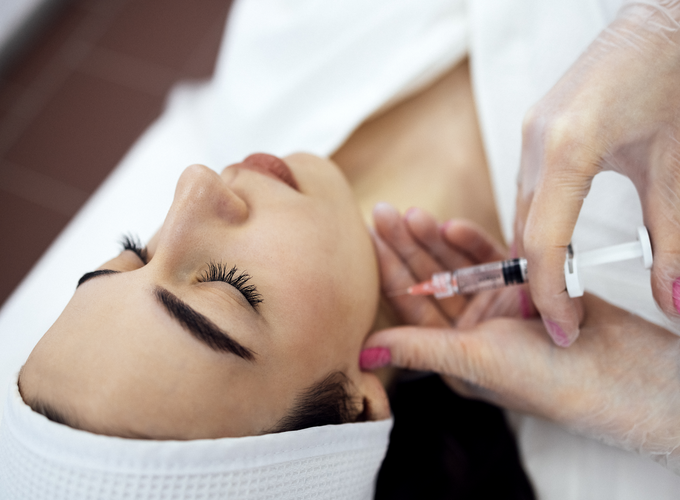
Body contouring procedure showcasing non-invasive techniques for fat reduction and skin tightening, helping achieve a toned and sculpted body.

Understanding Body Contouring

Body contouring refers to a range of medical or surgical procedures aimed at reshaping and defining certain areas of the body. Techniques can vary, including non-invasive methods like CoolSculpting and more traditional surgical options like liposuction. The goal of these procedures is to fine-tune your body, giving it a more streamlined appearance. More options in this category include skin tightening and muscle definition treatments which can improve both aesthetics and skin health. For example, EvolveX Transform at Spa in the City can help sculpt the body efficiently without invasive techniques.

For many people, the appeal of body contouring lies in its ability to focus on stubborn areas that have not responded to diet and exercise. As such, these procedures are not typically designed for weight loss; rather, they are intended to enhance your existing body shape. Plastic surgeons use a variety of techniques like liposuction, tummy tucks, and body lifts to achieve the desired result by removing excess skin and reducing fat in targeted areas. This allows for a more toned physique, boosting confidence and self-esteem in the process.

The non-surgical forms of body contouring have advanced significantly over recent years. Modern technology, like the multisource radiofrequency methods employed in procedures such as EvolveX Transform, gives individuals the chance to enhance muscle definition and reduce fat painlessly. These methods utilize heat to break down fat cells and stimulate collagen production, improving skin tone and elasticity. Patients frequently report noticeable improvements with minimal discomfort and downtime, making this an attractive option for those with busy lifestyles.

Factors Affecting Longevity

The longevity of body contouring outcomes can vary widely depending on several factors. First, the specific type of procedure significantly influences how long results will last. Surgical options typically offer more dramatic and longer-lasting results, but they also come with longer recovery times.

Non-invasive techniques might require repeated sessions for longer-term maintenance but have the advantage of minimal to no recovery period. Secondly, the individual’s unique biological characteristics, such as skin elasticity and fat distribution, play a crucial role in determining the outcome. As highlighted by Dr. Naderi, maintaining the results of body contouring is predominantly reliant on healthy lifestyle habits.

Additionally, age and genetics can influence the body’s aging process and how effectively it retains the new contours. According to experts, a foundational aspect of maintaining the effects includes adhering to a stable weight, as fluctuations can significantly affect the results. This involves keeping up with regular exercise and a balanced diet. Regular consultations with your practitioner help to monitor progress and address any concerns that may arise over time, ensuring that your body contouring results see the longest possible lifespan. Read more about how effective maintenance can help ensure long-term success.

Maintaining body contouring Results With Lifestyle Choices

To prolong the results of body contouring, maintaining a healthy lifestyle is crucial. Regular exercise, a balanced diet, and avoiding significant weight fluctuations are key to enjoying long-term satisfaction with your new body shape. Optimizing your post-contouring lifestyle involves integrating habits that promote overall health and well-being. For instance, cardiovascular and strength training exercises can boost muscle tone and prevent the occurrence of new fat deposits in the treated areas.

Eating a balanced diet rich in nutrients, including plenty of protein, fruits, and vegetables, is another cornerstone for maintaining body contouring effects. It is also essential to stay hydrated, as proper hydration supports skin elasticity and the overall healing process. Another critical factor is managing stress levels, as excessive stress can negatively impact physique and undermine health efforts. Ensuring adequate sleep and practicing relaxation techniques support both physical and mental well-being, solidifying the contouring benefits.

Scheduling regular follow-up appointments can help in achieving long-lasting results. These sessions allow the practitioner to track your progress and suggest any adjustments or additional treatments if necessary. A highly recommended strategy for maintaining body contouring outcomes involves touch-ups or maintenance sessions via non-invasive techniques like multisource radiofrequency treatments. These methods stimulate collagen and elastin production, ensuring your skin remains toned and tight.

When to Consider body contouring Touch-Ups

Sometimes, touch-up procedures might be necessary to maintain optimal results. These should be considered as part of your long-term plan and discussed during your initial consultations to set realistic expectations. Ideally, touch-ups can be spaced out to allow time for the body to adapt to each session, enabling continuous improvement without overwhelming the system. During these visits, any minor issues like small fat redistributions or loss of tone can be addressed effectively.

Choosing the right touch-up procedure often depends on the changes you notice and the original method used in your initial contouring. If surgical body contouring was the path taken, minor procedures like liposuction might prove effective for dealing with any isolated problem areas that still concern you. On the other hand, if non-invasive approaches were used initially, consider continued applications of therapies like radiofrequency or ultrasound-based treatments, which have been clinically proven to enhance skin elasticity and sustain tone.

Enjoying Long-Lasting Results

In conclusion, body contouring can offer lasting and satisfying results when paired with a healthy lifestyle. By setting realistic expectations and following post-procedure guidelines, you can enjoy your newly contoured body for years to come. It’s essential to recognize that while body contouring provides an incredible boost in confidence, it’s the combination of those amazing results with your commitment to maintaining them that makes all the difference.

Think of body contouring as the first step on your journey to a healthier version of yourself. Once you’ve achieved the look you desire, it’s up to you to keep it up! Engaging in regular physical activities, whether it’s hitting the gym, going for walks, or trying a fun new sport, helps in maintaining that toned appearance. Trying new healthy recipes can also keep your meals interesting while making sure your body gets all the nutrition it needs to stay fit.

Always remember, while body contouring gives you a fabulous foundation, your daily habits—like staying hydrated, managing stress, and ensuring enough restful sleep—play an equally crucial role in prolonging those results. So, don’t hesitate to reach out to your healthcare provider if you have questions or concerns; they’re there to guide you every step of the way. With the right approach, you can fully enjoy your transformation and feel great in your own skin!

Reach out to the professionals at Spa in the City in Dallas to begin your Path to Fabulous. 214-238-2251

The post How Long Does Body Contouring Last? appeared first on Spa in the City.


source https://spainthecitydallas.com/body-contouring-duration/

Sunday, November 3, 2024

Why Do We Get Cellulite?

Cellulite is a common occurrence affecting both men and women. But why do we get cellulite, and what can we do about it? This blog will explore the causes, contributing factors, and potential solutions for cellulite, giving you a clearer understanding of this widespread phenomenon.

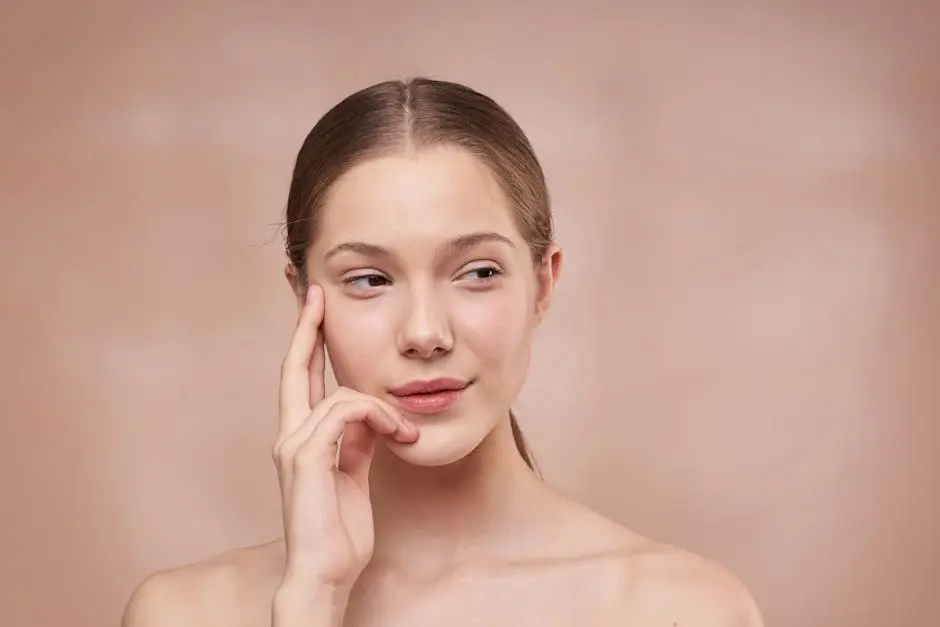
Woman Holding Her Face

What is Cellulite?

Cellulite refers to the dimpled appearance of the skin, commonly found on thighs and buttocks. It’s caused by fat deposits that push through connective tissue beneath the skin.

Understanding why cellulite forms involves grasping the basic structure of skin and fat. The skin is connected to the muscle by connective tissue, and within this structure is fat, a perfectly normal component of the body. When fat cells expand, they push up against the skin while the connective tissues pull down, creating that classic puckered appearance known as cellulite. It’s a simple structural issue, yet one that causes distress for many.

Cellulite’s prevalence makes it a prime target for research, leading scientists to uncover that nearly all women and some men will experience cellulite at some point in their lives. It’s interesting to note that even people of healthy weight can have cellulite, as its presence is not exclusively linked to body mass but rather the intricate play of hormones, genes, and lifestyle choices.

Primary Causes of Cellulite

Genetic factors, hormonal changes, and aging can contribute significantly to the development of cellulite, affecting how the body stores fat and the texture of connective tissues. It’s interesting to think about how much of our appearance, including those pesky dimples we often see, can be influenced by the genes we inherit from our family. If your parents or siblings have cellulite, there’s a good chance you might notice those same characteristics on your own skin. It’s simply part of the body’s natural variability.

Hormones also play a crucial role in how our bodies distribute fat, especially during life-changing events like puberty, pregnancy, and menopause. These phases bring about fluctuations that can alter fat storage patterns in ways that make cellulite more evident. This doesn’t mean you have to accept it without a fight, though!

Aging is another significant player in the cellulite game. As we get older, our skin can lose its elasticity and thickness, making those dimples appear more pronounced. But rather than approaching the topic with frustration, remember that understanding these factors can empower you.

Many people find that once they learn about the causes of cellulite, it takes away some of the pressure and stigma associated with it. After all, it’s a common experience, and acknowledging it as part of life could lead to a more positive mindset. Plus, armed with this knowledge, you can take proactive steps to improve your skin’s appearance. Making informed lifestyle choices, such as staying active, eating balanced meals, and even exploring treatments, can all make a difference in how you feel – both about cellulite and your overall health. So, embrace your body and dive into those healthy habits; you never know what changes you might see in the mirror!

Genetics play a crucial role in determining the likelihood of developing cellulite. If your family members tend to have cellulite, chances are that you will, too. The distribution of fat underneath your skin, your circulation, and the thickness of your skin can all be inherited traits that influence cellulite formation.

Hormonal fluctuations, especially during puberty, pregnancy, and menopause, can significantly alter how fat tissues are distributed in the body. These changes can weaken connective tissues or increase fat storage, making cellulite more pronounced in certain areas.

Lifestyle and Dietary Influences

Poor diet, lack of exercise, and smoking can exacerbate cellulite, making it all the more important to adopt healthy habits. A sedentary lifestyle reduces blood flow and weakens skin structure, which can definitely contribute to the development of those pesky dimples. When we lead a more active life, we not only burn off excess body fat but also boost circulation, helping to keep our skin looking its best.

Think about it: physical activity helps to tone our muscles, which can improve the overall look and feel of our skin. When we engage in exercises like walking, running, or strength training, we’re not just benefiting our bodies; we’re also working towards that smoother skin we might be hoping for.

Diet plays a massive role, too. When we indulge in a diet high in fats, carbohydrates, and salt, combined with not enough fiber, it can lead to unwanted weight gain and increased cellulite. It’s like a double whammy! Instead, incorporating fresh vegetables, lean proteins, and plenty of whole grains into your meals can make a real difference in your skin’s appearance. Plus, nourishing your body with the right foods can enhance your overall health and energy levels.

And let’s not forget about the impacts of smoking. Smoking can weaken the skin by restricting blood flow and affecting its ability to repair itself. By quitting smoking, you’re not only contributing to better skin health but also giving your body a chance to rejuvenate and heal.

So, by being mindful of your diet, staying active, and eliminating unhealthy habits like smoking, you can take strong strides toward reducing the appearance of cellulite and feeling great in your skin! Remember, every small change counts – you might be surprised by the results!

Physical inactivity is a big player in the cellulite game. When we don’t move enough, not only do we miss out on burning off excess body fat, but we also decrease our circulation. Good circulation is key to preventing cellulite because it helps keep the connective tissue strong and healthy.

Diets high in fat, carbohydrates, and salt, and low in fiber can lead to increased amounts of cellulite. These diets can result in fat accumulation, poor digestion, and sluggish circulation, all of which are conducive to the development of cellulite.

Smoking is another factor that might worsen the appearance of cellulite. It weakens the skin by reducing blood vessel flow, affecting skin repair processes. This makes cellulite more visible. Quitting smoking can improve blood circulation and skin elasticity, reducing cellulite’s appearance.

Can Cellulite Be Reduced?

While there is no one-size-fits-all solution, techniques like regular exercise, balanced diet, and hydration can help reduce the appearance of cellulite by improving skin elasticity and reducing excess body fat.

Incorporating strength training and cardiovascular exercises can significantly help in managing cellulite. These activities tone muscles and improve blood flow, which may make the skin appear smoother over time.

Proper hydration is essential, as it helps maintain the elasticity of the skin and flushes out toxins. Drinking enough water ensures that skin remains supple, which can make cellulite less noticeable.

Furthermore, a balanced diet rich in whole grains, lean proteins, fruits, and vegetables can contribute not just to cellulite management but also to overall health. This nutrient-rich diet helps break down fat and improves skin quality, which can lessen the visibility of those dimples.

From topical creams to aesthetic procedures like laser therapy, options for reducing cellulite are vast. However, results vary and maintaining a healthy lifestyle remains crucial.

Topical treatments often claim to reduce cellulite by firming up the skin temporarily. Ingredients such as caffeine and retinol are popular as they can enhance blood flow and improve skin thickness, albeit modestly.

Laser treatments offer a more long-term approach by targeting the structure under the skin. These procedures aim to break down the fibrous bands causing dimpled skin, while also stimulating collagen production. This can lead to a smoother appearance, though it’s often costly and repeated sessions may be necessary for lasting results.

Massage therapy and body wraps are among the popular spa treatments that people utilize for cellulite. These methods focus on temporarily reducing the appearance of cellulite by improving circulation and encouraging lymphatic drainage. However, their effects are usually short-lived and should be seen as a supplementary treatment rather than a cure.

Managing Cellulite: Awareness and Patience

Understanding cellulite involves recognizing the interplay of genetic, hormonal, and lifestyle factors. While it’s a natural part of the body’s makeup, being informed about its causes can help in managing its appearance. Remember, adopting a healthy lifestyle and being patient are key aspects in reducing cellulite effectively.

Contact the professionals at Spa in the City to see what treatments may best help manage this condition. Call 214-238-2251 to have Spa in the city in Dallas help you down your Path to Fabulous.

The post Why Do We Get Cellulite? appeared first on Spa in the City.


source https://spainthecitydallas.com/why-we-get-cellulite/

Wednesday, October 30, 2024

What Does Botox Do?

Botox, a popular treatment for facial wrinkles, has become a household name in cosmetic and medical fields. But what does Botox actually do? Derived from botulinum toxin, Botox works by blocking nerve signals, preventing muscle contractions that cause wrinkles. Let’s explore the various uses of Botox, how it works, what to expect during the treatment, and its surprising medical applications beyond aesthetics.


How Does Botox Work?

Botox is derived from botulinum toxin, a neurotoxic protein that temporarily paralyzes muscles by blocking nerve signals. When injected into specific facial muscles, it stops the communication between nerves and muscles, preventing them from contracting. This temporary paralysis helps in relaxing the muscles that are responsible for causing wrinkles due to repetitive movements, such as frowning, smiling, or squinting​.

Botox and Muscle Relaxation

Botox stops the muscle from contracting. This leads to a relaxed state of the targeted muscles, particularly those that cause dynamic wrinkles. 

The key function of Botox lies in its ability to block neurotransmitters, specifically acetylcholine, which is responsible for triggering muscle contractions. By preventing the release of this neurotransmitter, Botox stops the muscle from contracting. This leads to a relaxed state of the targeted muscles, particularly those that cause dynamic wrinkles. 

Over time, as these muscles stay relaxed, the overlying skin also smoothens, reducing the appearance of fine lines and deep wrinkles. This process is highly effective in areas where facial expressions are frequent, such as the forehead, between the eyebrows, and around the eyes​.

Impact on Dynamic Wrinkles

Dynamic wrinkles are the result of repetitive facial expressions. Each time you frown, smile, or squint, specific muscles contract and cause the skin to crease, forming lines and wrinkles over time. Botox works by targeting these expression-related muscles, preventing their activity and smoothing the overlying skin. 

The most common areas treated with Botox include frown lines (between the eyebrows), crow’s feet (around the eyes), and horizontal forehead lines. This leads to a more youthful, rejuvenated appearance without altering the natural look of the face​.

What Conditions Does Botox Treat?

Botox, commonly known for its cosmetic uses, is highly versatile and effective in treating a range of both aesthetic and medical conditions. The botulinum toxin in Botox works by temporarily relaxing muscles, which has beneficial effects not only on wrinkles but also on various medical ailments. Its dual functionality has made Botox one of the most widely used treatments in cosmetic dermatology and beyond.

Cosmetic Benefits of Botox

This treatment softens the appearance of existing wrinkles and also prevents new ones from forming, offering a refreshed and more youthful look.

Botox is FDA-approved for treating the visible signs of aging, particularly in areas of the face prone to wrinkles due to frequent muscle movements. Over time, repetitive facial expressions, such as frowning or squinting, create lines that deepen and become more prominent. Botox is primarily used to treat dynamic wrinkles like frown lines (glabellar lines), horizontal forehead wrinkles, and crow’s feet (the fine lines that form around the eyes). 

By injecting small amounts of botulinum toxin directly into the targeted facial muscles, Botox temporarily paralyzes them, preventing further contraction and allowing the overlying skin to smoothen out. This treatment softens the appearance of existing wrinkles and also prevents new ones from forming, offering a refreshed and more youthful look.

Medical Applications

In addition to its cosmetic uses, Botox has several FDA-approved medical applications. One of its primary medical benefits is the treatment of chronic migraines. Botox injections can help reduce the frequency and severity of migraines by relaxing muscles and blocking pain signals. It is also highly effective in treating hyperhidrosis, a condition characterized by excessive sweating, by temporarily blocking the nerve signals that trigger sweat production. 

Other medical applications include treating muscle spasms like cervical dystonia (involuntary neck muscle contractions) and TMJ (temporomandibular joint) disorders. Botox can even address issues like overactive bladder and uncontrollable blinking. These medical uses showcase Botox’s wide-ranging capabilities beyond aesthetics, improving the quality of life for patients dealing with these conditions.

What to Expect During a Botox Procedure

A Botox procedure is known for being quick, simple, and relatively painless. Patients often choose Botox not only for its cosmetic benefits but also because the treatment requires little preparation and no extensive recovery time. Understanding the steps involved can help ease any apprehensions and ensure a smooth experience.

The Injection Process

Patients often choose Botox not only for its cosmetic benefits but also because the treatment requires little preparation and no extensive recovery time.

The Botox injection process is minimally invasive and typically lasts around 10-15 minutes. After arriving at your appointment, your medical professional will clean the treatment area to ensure it’s free of makeup, oil, and bacteria. Depending on your sensitivity, a topical numbing cream or ice may be applied to reduce any discomfort. Using a fine needle, the practitioner will inject small amounts of botulinum toxin into the targeted muscles. 

The number of injections depends on the areas being treated and the severity of wrinkles. Most patients report feeling only a mild pinch, if anything at all. The precision of the injection process ensures that the toxin is delivered exactly where needed, without affecting nearby areas. This results in the smoothing of wrinkles while maintaining a natural look​.

Recovery and Results

After the procedure, there’s virtually no downtime. You may experience slight redness, swelling, or bruising at the injection site, but these effects typically subside within a few hours or days. It’s important to avoid rubbing the treated area to prevent the toxin from spreading. Results usually begin to appear within 3 to 7 days, and the full effect is visible after two weeks, lasting 3 to 6 months.

Is Botox Safe?

Botox is considered a safe and effective treatment for both cosmetic and medical purposes when administered by a licensed, experienced medical professional. With millions of treatments performed annually worldwide, it has built a strong track record for safety. However, as with any medical procedure, understanding potential risks and following aftercare guidelines is essential to ensure optimal results and minimize complications​.

Common Side Effects

Botox injections are generally well-tolerated, with most patients experiencing only mild, temporary side effects. The most common side effects include minor redness, swelling, and bruising at the injection site. These reactions typically subside within a few hours or days. In rare cases, patients may experience mild headaches, flu-like symptoms, or muscle stiffness. 

In extremely rare instances, improper injection technique or toxin migration could result in asymmetry or temporary drooping of the eyelids or facial muscles. This is why it’s crucial to have Botox administered by a qualified and experienced professional to minimize these risks and ensure the best results​.

Long-Term Safety

Botox has been safely used for decades, and long-term studies support its efficacy and safety. When performed by certified professionals, the risk of serious side effects is minimal. While Botox is a temporary treatment, repeat injections over time do not seem to cause cumulative damage to the muscles or skin. 

Patients who undergo long-term Botox treatments report consistent, satisfying results with no significant complications. However, to maintain safety, following post-procedure instructions and regular consultations with your practitioner is key.

Conclusion

Botox, derived from botulinum toxin, offers a versatile solution for both cosmetic and medical issues. Whether you’re seeking to reduce wrinkles or alleviate a medical condition like migraines or excessive sweating, Botox provides a non-invasive option with minimal side effects. For those considering this treatment, understanding what Botox does and how it works can help set realistic expectations and ensure the best results. Remember, Botox is a safe and effective treatment when performed by qualified professionals.

FAQ

How long do Botox results last? 

Botox results typically last between 3 to 6 months, after which additional treatments are needed to maintain the effect.

Can Botox be used for non-cosmetic purposes? 

Yes, Botox is also used to treat medical conditions such as chronic migraines, excessive sweating, and muscle spasms​.

Is Botox painful? 

Most patients report minimal discomfort during Botox injections. Numbing options like ice or topical anesthetics can help reduce any pain​.

When will I see results from Botox? 

Botox results begin to appear within 3 to 7 days, with full results visible after about two weeks.

Are there any risks associated with Botox? 

While Botox is generally safe, rare side effects can include drooping eyelids or uneven results if administered incorrectly. Always consult a certified professional​.

The post What Does Botox Do? appeared first on Spa in the City.


source https://spainthecitydallas.com/what-does-botox-do/

Tuesday, October 29, 2024

What is Body Sculpting?

Body sculpting, often imagined as the bridge between fitness goals and cosmetic enhancements, has surged in popularity. This blog post aims to demystify the concept of body sculpting, guiding you through its various forms and what you can expect from them, all in plain language.


Body sculpting encompasses a wide range of techniques aimed at reshaping and refining the body’s contours.

The Basics of Body Sculpting

Body sculpting, or body contouring, is a revolutionary approach to reshaping your physique, offering a pathway to fine-tune the areas diet and exercise can’t reach. These procedures vary widely, catering to different needs, preferences, and body types. From reducing unwanted fat to tightening skin and building muscle, body sculpting provides a unique solution tailored to meet individual goals. The promise of body sculpting lies in its ability to transform and enhance, making it a fitting option for those looking to achieve a more sculpted appearance.

At its core, body sculpting focuses on altering body shape through the removal or breakdown of fat cells, skin tightening, and sometimes muscle enhancement. These methods have advanced significantly over the years, giving birth to an array of treatments from minimally invasive to non-invasive options that require little to no downtime. Understanding these basics is the first step in considering whether body sculpting is right for you.

It’s Not about perfection

Body sculpting isn’t just about achieving that perfect beach body or fitting into a dream dress; it’s about feeling good in your own skin and having the confidence to show it off. It’s a transformative process that allows individuals to enhance their natural shape, leading to boosted self-esteem and overall happiness. Whether you’re hoping to slim down, tone up, or simply refresh your look, there’s likely a body sculpting option that fits your needs.

It’s essential to remember that body sculpting is not a one-size-fits-all solution. Everyone has unique goals and bodies, which means that what works for one person might not be the best choice for someone else. That’s why it’s incredibly important to take the time to explore your options. You should delve into various techniques, understand how they function, and think about how they align with your own personal objectives.

Moreover, keep in mind that while body sculpting can work wonders, it’s still important to maintain a balanced approach to overall health. Regular exercise and good nutrition should complement any body sculpting treatments to achieve and sustain the best results. Think of body sculpting as a tool that enhances your efforts rather than replacing them entirely.

has body sculpting become cult-like?

Another intriguing aspect of body sculpting is the community that often surrounds it. Many people pursuing these treatments form supportive networks, sharing experiences and advice. You might find motivation in hearing others’ stories or getting tips on what worked for them, turning what could be a solitary journey into a shared experience filled with encouragement.

As you think about making the commitment to body sculpting, do your research and consider the importance of post-treatment care as well. Giving your body the right attention and care after your chosen procedure can make a significant difference in the longevity of your results. After all, you want to show off your enhanced physique long after the treatment has concluded, don’t you?

So, whether you’re curious about non-invasive options or considering a more surgical approach, body sculpting holds exciting potential for many. Dive in, ask questions, and explore your options—your body deserves it!

Non-Invasive vs. Surgical Options

Navigating the world of body sculpting means understanding the difference between non-invasive and surgical options. Non-invasive treatments, such as cryolipolysis (coolsculpting) and laser lipolysis (EvolveX), offer fat reduction without incisions or anesthesia. These methods typically involve minimal discomfort and recovery time, making them popular among those with busy lifestyles. On the other hand, surgical procedures like liposuction and tummy tucks offer more dramatic and immediate results but come with the trade-offs of surgery, including longer recovery times and increased risks.

What to Expect During and After Treatment

Setting realistic expectations is crucial when embarking on any body sculpting journey. Non-invasive procedures often require multiple sessions to achieve noticeable results, and the full effects might not be visible for several weeks or even months. Conversely, surgical options provide more immediate results but also involve a longer recovery period, during which patients may experience discomfort. Post-treatment, maintaining a healthy lifestyle is key to preserving the results of your procedure, as significant weight gain can diminish the effects.

Among the plethora of body sculpting techniques available, cryolipolysis stands out for its effectiveness in freezing and eliminating fat cells, providing a non-invasive alternative to traditional fat reduction methods. Similarly, radiofrequency treatments are celebrated for their ability to tighten skin and enhance collagen production. For muscle toning and enhancement, technologies like electromagnetic muscle stimulation offer a non-invasive approach to improving muscle definition. Each technique brings something unique to the table, allowing for a highly personalized experience.

Choosing the Right Procedure for Your Body Goals

Deciding on the most suitable body sculpting treatment depends heavily on individual goals, the specific areas to be treated, and one’s general health and lifestyle. Consulting with a qualified professional who can assess your goals and medical history is crucial. This partnership can help identify the most effective treatment plan, ensuring that it aligns with your overall expectations and lifestyle. Personal research is invaluable, but professional guidance is indispensable in navigating the myriad of options and nuances.

Safety Considerations and Choosing a Professional

Like any medical procedure, safety should be your top priority when considering body sculpting. Ensuring you choose a licensed and experienced professional is vital, as this significantly reduces the risk of complications. Look for practitioners with specialized training in the specific techniques you’re interested in and check their track record of success. Additionally, be sure to discuss any potential risks and how they apply to your situation during your consultation. A thorough vetting process is key to a positive and safe body sculpting experience.

Contact the professionals at Spa in the City in Dallas, Texas to start down your Path to Fabulous with Body Sculpting. 214-238-2251

Embracing Your Body’s Potential with Sculpting

Body sculpting encompasses a wide range of techniques aimed at reshaping and refining the body’s contours. While it may seem daunting at first, understanding your options and the science behind them can help you make informed decisions about your body and health. Remember, whether you pursue non-invasive techniques, surgical options, or a combination of both, consulting with a professional is key to achieving your desired outcomes safely.

The post What is Body Sculpting? appeared first on Spa in the City.


source https://spainthecitydallas.com/what-is-body-sculpting/

Monday, October 28, 2024

How Long Does Botox Last? Discover the Real Lifespan of Your Botox Treatment

Introduction to Botox Longevity

Botox is one of the most popular cosmetic treatments for reducing fine lines and wrinkles, but a common question people have is: How long does Botox last? Understanding the longevity of Botox can help you set realistic expectations and plan your treatments accordingly. While Botox results aren’t permanent, they provide a temporary yet effective solution for smoothing out unwanted lines and rejuvenating your appearance.

On average, the effects of Botox can last between three to six months, but the exact duration depends on several factors.

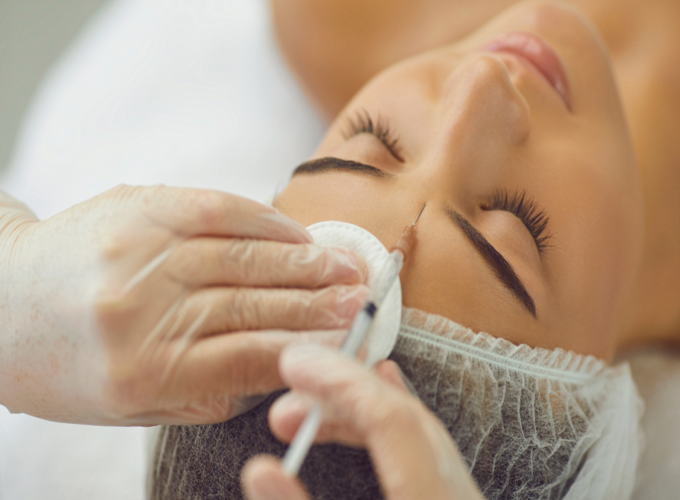
A skilled injector applying botox injections to a patient's forehead, targeting the masseter muscle area for improved facial aesthetics. It helps minimize wrinkles, particularly around the eyes and forehead, enhancing the patient's overall wellness.

What Determines Botox Duration?

The longevity of Botox treatments can vary from person to person. Some of the primary factors that influence how long Botox lasts include:

Muscle Activity: 

Individuals with more active facial muscles may notice Botox effects wearing off sooner.

Injection Site: 

Different areas of the face, such as the forehead or crow’s feet, can have varying response times. For instance, Botox injections in the forehead typically last around four months.

Metabolism: 

Faster metabolic rates can break down Botox more quickly, shortening its effects.

Dose & Technique: 

The amount of Botox injected and the skill of the injector also play crucial roles in determining the duration.

What is Botox?

Botox, scientifically known as botulinum toxin, is a neurotoxin protein that temporarily relaxes muscles, reducing the appearance of dynamic wrinkles caused by facial expressions. Approved by the FDA, Botox works by blocking nerve signals to the targeted muscles, preventing them from contracting. This softens and smooths the skin, particularly in areas prone to wrinkle formation, such as the forehead, around the eyes (crow’s feet), and between the brows (frown lines).

Although Botox is best known for cosmetic applications, it is also used for medical purposes like treating migraines and muscle spasms. However, for cosmetic treatments, Botox results are temporary, typically lasting between three to six months.


Botox Results: What to Expect After Your First Treatment 

Getting Botox for the first time can be exciting but also bring up questions about what to expect in terms of results and their longevity. For first-time users, understanding how long Botox lasts is crucial for setting realistic expectations and planning follow-up treatments. Initially, Botox takes about 3 to 5 days to start working, with full results visible after 7 to 14 days. 

However, the duration of effectiveness can vary depending on individual factors, including muscle activity, metabolism, and how well the body responds to it.

How Long Does Botox Last for First-Timers?

For individuals receiving Botox for the first time, results typically last 3 to 6 months. During the first treatment, your body may be less accustomed to the effects of botulinum toxin, which temporarily blocks nerve signals to the treated muscles. As a result, muscle contractions responsible for wrinkles are reduced, leading to smoother skin.

However, as the body metabolizes the Botox over time, the effects gradually wear off. For many first-time users, they begin to notice muscle movement returning and wrinkles reappearing around the 3-month mark. This is because the muscles may “learn” to resist the toxin more quickly initially. 

Factors like the strength of facial muscles and lifestyle habits (e.g., sun exposure, skincare routine) can also influence how long Botox lasts. It’s common for first-timers to require follow-up treatments within three to four months to maintain optimal results.

How Long Does Botox Last After Multiple Treatments?

After multiple Botox treatments, users often find that the effects last longer, extending to 6 to 9 months in some cases. This is because the repeated exposure to Botox can have a cumulative effect, causing the treated muscles to become less active over time. Essentially, the muscles may develop a form of “muscle memory,” which makes them less likely to contract and cause wrinkles as frequently.

With consistent treatments, users may notice that Botox lasts closer to the four to six-month range, and some may even experience results for up to 9 months. The duration of Botox’s effectiveness often increases as the body adjusts to the treatment and muscle activity decreases. 

Additionally, skilled injectors can fine-tune the dosage and technique over time to enhance longevity. However, maintaining regular appointments and following the injector’s recommendations are key to enjoying longer-lasting results after repeated Botox treatments.


Factors Affecting Botox Longevity

The duration of Botox results can vary widely from person to person due to several factors. While the average Botox treatment lasts between three to six months, the exact length of time depends on variables like the area treated, age, metabolism, and individual muscle activity. Understanding these factors can help you predict how long your Botox will last and when you may need a follow-up appointment. 

Botox Injection Sites and Their Duration

The area of the face where Botox is injected plays a significant role in how long the results last. For instance, Botox injections in the forehead (to smooth horizontal lines) typically last around four months. This is because the muscles in this area are relatively strong and more active in expressing emotions, which can cause the Botox to wear off faster.

On the other hand, areas like crow’s feet (fine lines around the eyes) and frown lines (glabellar lines between the eyebrows) may last between three to six months. The difference in longevity depends on the muscle activity in those areas. 

Areas like crow’s feet might last longer due to less constant movement, while frown lines may require more frequent treatments since the muscles responsible for these wrinkles tend to be more active. Each person’s muscle tone and facial expressions are unique, which is why the duration of Botox can vary across different treatment sites.

Age and Metabolism Influence

Your age and metabolism are other key factors that influence how long Botox effects last. Younger individuals with stronger, more active facial muscles may find that Botox wears off sooner, lasting closer to the three-month mark. As you age, your muscles tend to weaken, so the effects of Botox may last longer, often closer to four to six months or more.

Additionally, metabolism plays a role in how quickly the body processes and eliminates Botox. People with faster metabolic rates might notice that Botox wears off faster because their bodies break down the botulinum toxin more quickly. Conversely, those with slower metabolisms may experience longer-lasting results.

Muscle activity also affects longevity. If you have more expressive facial movements or stronger muscles, your Botox may not last as long as someone with a less active facial structure. A combination of these personal factors means Botox results are highly individualized, but understanding them can help set expectations for future treatments.


How to Extend the Life of Your Botox Treatment

While Botox results naturally wear off over time, there are ways to maximize the duration of its effects. By following proper aftercare, choosing a skilled injector, and maintaining a consistent treatment schedule, you can help ensure that your Botox lasts as long as possible. Taking the right steps both immediately after your treatment and in the months that follow can significantly enhance and extend your results. Below, we’ll explore the key strategies that can help you make the most of your Botox treatment.

Following Aftercare Guidelines

The first step in prolonging your Botox results is adhering to recommended aftercare guidelines immediately following your treatment. Proper aftercare is essential to prevent the Botox from moving out of the targeted muscles or being broken down too quickly. Some key practices include:

Avoid strenuous activities: 

Refrain from engaging in exercise or any physically demanding tasks for at least 24 hours post-treatment, as increased blood flow can speed up the breakdown of Botox.

Stay upright: 

Avoid lying down for at least 4 hours after your injections. This helps ensure that the Botox stays in the intended areas and doesn’t migrate, which could reduce effectiveness or cause unintended effects.

No touching or massaging the area: 

Avoid touching or rubbing the treated areas for the first day. Applying pressure can cause the Botox to spread to unintended muscles, diminishing its effects and potentially leading to complications like drooping eyelids or uneven results.

Choosing a Skilled Injector

Another important factor in extending the life of your Botox treatment is choosing a skilled, experienced injector. The precision with which Botox is administered significantly affects how long it lasts. A highly trained professional will know the right dosage to use and the proper injection techniques to target specific muscles while avoiding overuse. Too much Botox can weaken the muscles too quickly, reducing its overall effectiveness and shortening the duration of results.

An experienced injector will also be able to customize the treatment to your unique facial anatomy, ensuring a more natural look and longer-lasting effects. Poor technique or incorrect dosing can lead to the Botox wearing off faster, requiring more frequent touch-ups. For this reason, it’s crucial to choose a provider with a proven track record and extensive experience in administering Botox injections for optimal results.

Scheduling Regular Maintenance Sessions

Maintaining a consistent treatment schedule can also help extend the life of your Botox results. Scheduling maintenance sessions every 3 to 4 months can keep your muscles relaxed, preventing wrinkles from reappearing before the effects wear off entirely. Regular treatments can train your muscles to respond better to Botox over time, potentially allowing for longer intervals between sessions.

With consistency, many users find that Botox lasts longer with each subsequent treatment, extending the duration closer to 4 to 6 months or even longer. Following up with your injector for timely touch-ups is key to sustaining long-term results.


Conclusion

Botox is a highly effective, non-surgical treatment for reducing wrinkles, but its results are temporary, typically lasting between three to six months. Factors like the treatment area, your metabolism, and muscle activity all play a role in how long Botox lasts. First-time users can expect shorter durations, but with regular treatments, results often last longer, up to six to nine months. By following proper aftercare, choosing a skilled injector, and scheduling consistent maintenance sessions, you can maximize the longevity of your Botox results and enjoy smoother, more youthful skin for longer periods.


FAQ Section

How long does Botox last?

Botox typically lasts three to six months, depending on the individual and treatment area.

Botox lasts how long for first-time users?

For first-time users, Botox generally lasts about three months, with some variability.

How long do Botox injections in the forehead last?

Botox injections in the forehead usually last for approximately 4 months.

Can Botox last longer than 6 months?

In some cases, especially with repeated treatments, Botox can last four to six months or longer.

The post How Long Does Botox Last? Discover the Real Lifespan of Your Botox Treatment appeared first on Spa in the City.


source https://spainthecitydallas.com/how-long-does-botox-last-discover-the-real-lifespan-of-your-botox-treatment/

What is the difference between a Medical spa and Salon?

In today’s self-care-driven world, beauty salons and medical spas have become go-to destinations for people looking to enhance their appear...